
海外FX業者を使ってFXトレードしたいけれど、海外FX業者の数は数え切れないほどあるため、どの業者を利用するべきか悩んでいる方も多いと思います。
そこでこの記事では、IPC(International Food & Agricultural & Overseas FX Trade Policy Council)の国際専門機関のメンバーで、FXトレード歴16年の海外FXおすすめ比較トレード編集部(編集長 髙岡和人:別名アグリ)が「本当におすすめできる海外FX業者」をランキングにしました。ランキングの評価基準は以下の通りになります。
- 安全性、ボーナス、スプレッド、日本語サポート対応可能かどうかといった4つの項目を特に重視
- 金融庁や消費者庁、財務局、国民生活センターなどが公表している情報も踏まえ、海外FX業者としての信頼性が高いかどうか
- 1回1回のトレードを大切に考え、トータルコストが安いことはもちろん、業者の使いやすさやボーナスの豪華さ、出金拒否がないかなども重視
なお、ドメイン名のagritradeは、編集長 髙岡和人(別名アグリ/agri)がトレード(trade)を色々してきた上で、本当におすすめの海外FX業者を紹介したいという思いで、agritradeというドメインで質の高い海外FXの情報を提供しています。
海外FX業者のおすすめ比較表
海外FXのおすすめ業者について、海外FXおすすめ比較トレード編集部(編集長 髙岡和人:別名アグリ)が、トレーダー427人に独自アンケート調査を実施しました。その結果を独自基準で得点化し、順位付けしたものが以下の表です。
| FX業者名 | 総合点 | 安全性 | ボーナス | スプレッド | サポート | 解説部分 | 公式サイト |
|---|---|---|---|---|---|---|---|
XM | 97/100 | 解説 | 公式 | ||||
iFOREX | 96/100 | 解説 | 公式 | ||||
FXGT | 95/100 | 解説 | 公式 | ||||
IS6FX | 93/100 | 解説 | 公式 | ||||
AXIORY | 92/100 | 解説 | 公式 | ||||
Exness | 90/100 | 解説 | 公式 | ||||
BigBoss | 87/100 | 解説 | 公式 | ||||
HFM | 84/100 | 解説 | 公式 | ||||
Tradeview | 79/100 | 解説 | 公式 | ||||
TitanFX | 78/100 | 解説 | 公式 |
今回のランキングを発表するにあたって、重視したのは以下の4つの項目です。
- 取引コスト
- 安全性
- 日本語サポート
- ボーナスキャンペーン
なお、海外のFX業者を利用すること自体、「本当に安全なの?」と心配する方も多いと思います。
この記事で紹介する海外FX業者は全て分別管理体制を採用しており、トレーダーと業者の資金を分けているので、安心して利用できますよ!
海外FX業者のおすすめ人気比較ランキング【TOP10】
続いて、トレーダーから人気の海外FX業者をランキング形式で紹介します!
「どの海外FX業者を使えばいいか分からない」「人気のある業者でFX取引したい」という方は是非1位から順番に口座開設してみてくださいね。
では早速、第1位の海外FX業者から紹介していきます!
海外FXおすすめ第1位 XM(XMTrading)【総合評価97点】
| 項目 | 点数 |
|---|---|
| 安全性 | 25点/25点 |
| ボーナス | 25点/25点 |
| スプレッド | 22点/25点 |
| 日本語サポート | 25点/25点 |
| 総合点数 | 97点/100点 |
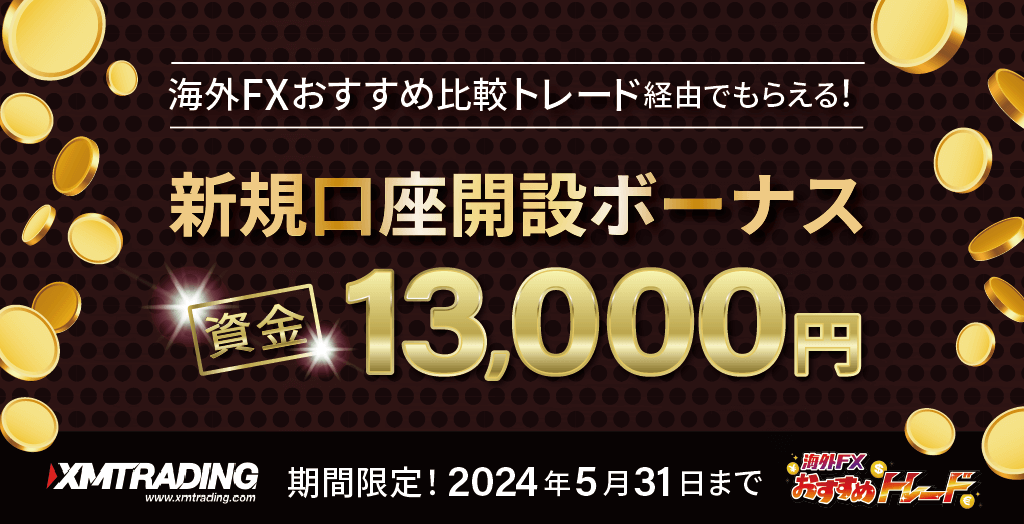
\ 今なら13,000円が絶対にもらえる! /
公式サイト:https://xmtrading.com/register
海外FX業者のおすすめ人気比較ランキング、第1位はXMです!
XMの特徴とメリット・デメリットについて解説していきます。
XM(XMTrading)の特徴
- 世界190ヶ国・500万人以上のユーザーを抱える大手業者
- 運営元は世界最難関の金融ライセンスであるFCA(イギリス)とCySec(キプロス)を保有
- 13,000円分のボーナスクレジットを受け取り、タダでXMを無料体験することができる
XMは数多くある海外FX業者の中でも日本人トレーダーから人気を集めている業者です。
XMを運営しているXMグループは、世界190ヶ国・500万人以上のユーザーを抱える大手業者で、世界最難関と言われるセーシェル金融庁のライセンスを取得しているので、安全性・信頼性が非常に高いです。
また、今なら口座開設ボーナス13,000円分だけでXMの取引を始められます!
ボーナスを活用すればXMの取引を無料体験できるので、初心者トレーダーも是非XMの魅力を体験してみてくださいね!
XM(XMTrading)のメリット・デメリット
| メリット | デメリット |
|---|---|
| 取得難易度が高い金融ライセンスあり 資産保証額は最大100万ドル XMの運営会社の安全性、信頼性が高い 最大レバレッジ1,000倍 証拠金は1円~ ボーナスキャンペーンは3種類 海外FX業者未経験の方にもおすすめ | サーバーがやや弱い 株式CFDの取り扱いがない |
XMは数ある海外FX業者の中でも、最も初心者向けの業者です。
実際に日本人トレーダーが1番利用している海外FX業者で、分からないことや不安なことがあった場合に日本人スタッフが対応してくれるので、スムーズに解決できます。
その反面、サーバーがやや弱かったり株式CFDの取引ができなかったりとデメリットもありますが、初心者トレーダーであれば問題ないでしょう。
海外FX業者選びに悩んでいる方は、まずXMで口座開設しておけば間違いありません。今なら13,000円分の口座開設ボーナスがもらえるので、自己資金ゼロでXMの取引を体験してみてくださいね!
\ 今なら13,000円が絶対にもらえる! /
公式サイト:https://xmtrading.com/register
XM(XMTrading)を利用している人の口コミ・評判
XMの最大レバレッジは1,000倍なので、証拠金が少なくても大きな額の取引ができます。また、ゼロカットシステムを採用しているので、チャートが荒れて証拠金を下回ってしまっても追証リスクはありません。そのため、初心者トレーダーでも思い切ったダイナミックな取引を楽しめます!
独自アンケート
XMは出金の手続きが簡単&スピーディーです。他社の場合、手続きをしてから実際に出金できるまでの期間が非常に長かったので、XMは安心して取引できる業者だと思います。また、もしトラブルに遭っても日本人スタッフが対応してくれるので、英語が苦手な方でも快適にトレード可能です!
独自アンケート
XMは、ボーナスキャンペーンが豊富なのでお得に取引できます。入金100%などのポピュラーなキャンペーンの他、季節限定ボーナスといったキャンペーンもあるので、自己資金を抑えて海外FX取引したい方はおすすめです。
独自アンケート
XMは最大レバレッジ1,000倍&ゼロカットシステムを採用しているので、ノーリスクで大胆な取引に挑戦できます。また、出金もスムーズに行えることも好評です。
そんなXMでは、現在お得なボーナスキャンペーンを開催しています!
【2024年4月限定】XMのボーナスキャンペーン
- 口座開設ボーナスキャンペーン13,000円
新規口座開設&本人確認をすませることで、13,000円の口座開設ボーナスがもらえます。 - 100%+100%+20%入金ボーナスキャンペーン
【対象口座】スタンダード口座、マイクロ口座
入金額の100%にあたるボーナスを最大500ドル(約7万5000円相当)まで受け取れます!また、2024年4月30日までの期間限定で、追加入金の500ドルに対しても100%入金ボーナスが適用されます。それ以降の入金に対しては、20%分の入金ボーナスが反映されます。
つまり、15万円を入金すると15万円がそのままもらえるので、トレード資金を入金額の2倍にあたる合計30万円にすることができるのです!
入金ボーナスをたくさん受け取ってお得に取引したい方は、今のうちに口座開設&入金することをおすすめします! - ロイヤルティプログラム
取引するたびにポイントがもらえるXM独自のキャンペーンも実施しています。貯まったポイントは、トレードにそのまま使ったり、現金に換金したりできるため、日本人トレーダーからも大人気です!他社にはないオリジナルのボーナスなので、取引すればするほどお得になります。
上記のようなお得なキャンペーンを開催しているのは今だけです!まずは、XMで最も人気がある「スタンダード口座」を開設して、13,000円の口座開設ボーナスでトレードしてみてください!
今なら自己資金ゼロで取引を始めるチャンスなので、是非この機会に口座開設をしてXMを無料体験してみてくださいね。
\ 今なら13,000円が絶対にもらえる! /
公式サイト:https://xmtrading.com/register
海外FXおすすめ第2位 iFOREX【総合評価96点】
| 安全性 | 25点/25点 |
| ボーナス | 23点/25点 |
| スプレッド | 23点/25点 |
| 日本語サポート | 25点/25点 |
| 総合点数 | 96点/100点 |
\ 125%入金キャンペーン開催中! /
公式サイト:https://iforex.com/register
海外FX業者のおすすめ人気比較ランキング、第2位はiFOREXです!
iFOREXの特徴とメリット・デメリットを解説していきます。
iFOREXの特徴
- 運営歴29年を誇る老舗の海外FX業者
- 総取扱商品数は業界トップクラス
- ロスカット水準0%でハイレバトレーダーに人気
iFOREXは運営歴29年と非常に歴史のある海外FX業者です。
取引できる銘柄は750種類以上あり、通貨ペアだけでも90種類以上となっているので、必ず取引したい銘柄が見つかるでしょう。
さらに、ロスカット水準0%のため含み損に耐えやすく、中~上級者がハイレバ取引する環境としてもおすすめです!
iFOREXのメリット・デメリット
| メリット | デメリット |
|---|---|
| 日本語対応 25年以上の運用歴があり信頼性抜群! 82種類もの豊富な通貨ペア 主要通貨ペアのスプレッド原則固定 独自の取引ツール「FXnetView」の操作性抜群 ボーナスキャンペーンが豪華 | スキャルピング禁止 自動売買禁止 |
iFOREXは最大レバレッジが400倍と他社よりも低いことや、MT4やMT5が利用できないため、独自ツールで取引するしかないというデメリットがあります。
しかし、取扱商品数は業界最多クラスなので、トレードチャンスは豊富にあります!また、ロスカット水準が0%なので、有利にハイレバ取引を行えます。
注意する点もありますが、初心者から中~上級者まで満足できる環境なので、iFOREXの入金ボーナスを利用してお得に取引してみてくださいね!
\ 125%入金キャンペーン開催中! /
公式サイト:https://iforex.com/register
iFOREXを利用している人の口コミ・評判
iFOREXは取引手数料無料&日本語サポート対応&ゼロカットシステム採用など、初心者トレーダーでも安心して取引できる環境が整っています。何より、ロスカット水準0%なので、口座残高のぎりぎりまでロスカットに耐えることができ、長く取引を続けられるのが嬉しいです。
独自アンケート
iFOREXは最大レバレッジ400倍と他社よりもやや低いですが、それでも十分自己資金以上に大きな額の取引ができます。独自の取引ツールも最初は戸惑いましたが、慣れてくると結構使いやすいので気に入っています。
独自アンケート
iFOREXの1番のポイントは取り扱い銘柄が非常に豊富なことだと思います。「FXnetView」では1画面で800銘柄以上の取引ができるので、色んな銘柄のポジションを持っていても管理が楽ですよ。
独自アンケート
iFOREXの独自ツール「FXnetView」は初心者トレーダーでも直感的に操作しやすいと評判を集めています。
また、取引コストが安いことや日本語対応していることからも、初心者でも安心して取引できる環境だと言えるでしょう。
そんなiFOREXでは現在、当サイト限定で豪華なボーナスキャンペーンを開催しています!
【当サイト限定】iFOREXのボーナスキャンペーン
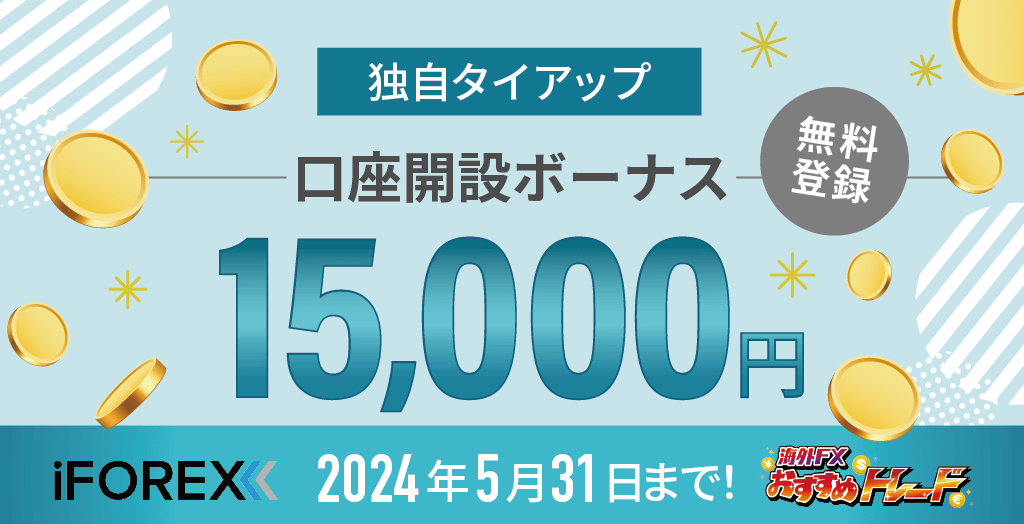
- 口座開設ボーナスキャンペーン15,000円(激レア)
当サイト経由でiFOREXに新規登録した方を対象に、口座開設ボーナス100ドル(約15,000円)をプレゼントしています!(※通常、iFOREXでは口座開設ボーナスを実施していないので、当サイト以外でお申し込みをした場合ボーナスは受け取れません。) - 125%初回入金ボーナスキャンペーン
1,000ドル(約15万円)までの初回入金額に対して100%入金ボーナス、1,000ドル(約15万円)を超える入金額に対しても25%のボーナスがもらえるキャンペーンを開催中です!
つまり、15万円入金した場合、入金ボーナス15万円がそのままもらえるため、トレード資金を合計30万円にすることができるのです。
初回入金ボーナスは最初の一度きりしかもらえない超プレミアムボーナスです。それを逃さないためにも、初回に1,000ドル以上入金することをおすすめします!
入金ボーナスを活用すれば、自己資金以上の取引ができるので是非この機会に口座開設してみてくださいね!
\ 125%入金キャンペーン開催中! /
公式サイト:https://iforex.com/register
海外FXおすすめ第3位 FXGT【総合評価95点】
| 安全性 | 25点/25点 |
| ボーナス | 25点/25点 |
| スプレッド | 20点/25点 |
| 日本語サポート | 25点/25点 |
| 総合点数 | 95点/100点 |
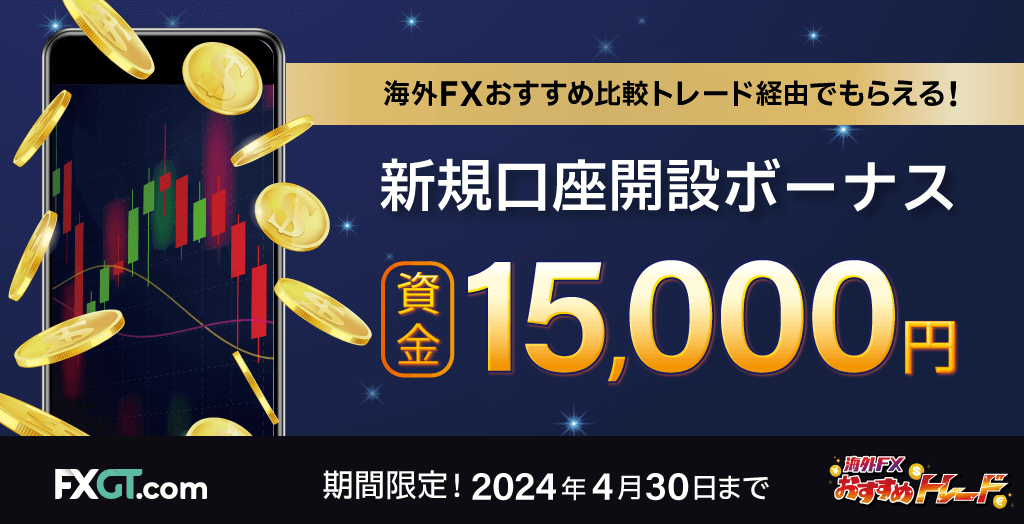
\ 今なら15,000円が絶対にもらえる! /
公式サイト:https://fxgt.com/register
海外FX業者のおすすめ人気比較ランキング、第3位はFXGTです!
FXGTの特徴とメリット・デメリットを解説していきます。
FXGTの特徴
- 為替と仮想通貨の両方をトレードできる
- 運営元はキプロス金融庁のライセンスを取得している
- 15,000円分の口座開設ボーナスでトレードを始めることができる
FXGTは、2019年12月に運営開始したばかりの新興業者ですが、総合的な評価が高く、既に7万人以上のトレーダーが利用しています。また、キプロス金融庁のライセンスも取得しているので安心して取引できます。
さらに、FXGTは海外FX業者の中で唯一、ビットコインなどの仮想通貨に最大1,000倍のレバレッジをかけられるので、仮想通貨でハイレバ取引したい方にとって最高の環境です!
今なら口座開設するだけで15,000円分の口座開設ボーナスがもらえるので、キャンペーンが開催されている今のうちにFXGTを無料体験してみてくださいね!
FXGTのメリット・デメリット
| メリット | デメリット |
|---|---|
| 金融ライセンス取得済み 約定力が高い 仮想通貨でも入出金できる 仮想通貨30銘柄を取引できる 24時間365日 いつでもサポート対応 | 通貨ペアは48種類と他社より少ない |
FXGTは新興業者ですが、ボーナスキャンペーンは業界トップクラスに豪華です!今なら15,000円分の口座開設ボーナスのほか、入金100%+50%+25%ボーナスももらえます。
さらに、仮想通貨でも最大1,000倍のレバレッジをかけられるので、仮想通貨トレーダーには特におすすめです。
通貨ペアが比較的少ないというデメリットはありますが、それ以上に恩恵を受けることができますよ!
まずはFXGTの口座開設ボーナスを活用して、未入金でトレードを体験してみてくださいね!
\ 今なら15,000円が絶対にもらえる! /
公式サイト:https://fxgt.com/register
FXGTを利用している人の口コミ・評判
FXGTの最大の魅力は、ボーナスキャンペーンを頻繁に開催してくれる点だと思います。お得に取引ができるので、海外FX取引を始めたばかりの頃はもちろん、今でも証拠金を増やせるので助かっています!
独自アンケート
私は仮想通貨をメインに取引しているのですが、最大レバレッジ1,000倍をかけられるのはFXGTだけなので、仮想通貨取引に最適な環境です。そのおかげで、少ない資金でも大きな利益を生み出せています。
独自アンケート
FXGTは新興業者なので多少不安もありましたが、サポートが24時間365日対応で質も良いので、安心して取引できています。また、ユーザーの声を瞬時に取り入れて取引条件を改善してくれるのも人気な理由の1つだと感じています。
独自アンケート
FXGTは歴史の浅い海外FX業者ですが、口コミ・評判を見れば分かるように、ボーナスキャンペーンの豪華さやサポート体制は大手業者に引けを取りません。
そんなFXGTでは、現在当サイト限定でお得なキャンペーンを実施しています!
【2024年4月限定】FXGTのボーナスキャンペーン
- 15,000円がもらえる新規口座開設ボーナスキャンペーン
FXGTで「スタンダード+口座」「ミニ口座」「Crypto Max口座」のいずれかを新規で開設された方を対象に、15,000円のボーナスをプレゼントしています! - 100%初回入金ボーナスキャンペーン(上限8万円!)
入金額の100%にあたるボーナスが上限8万円まで獲得できる入金キャンペーンも開催中です!
FXGTは初回の資金移動で100%の入金ボーナスがもらえます。
例えば、8万円を資金移動した場合、100%にあたるボーナス8万円がもらえるため、トレード資金を合計16万円にすることができるのです。 - 50%2回目入金ボーナスキャンペーン(上限15万円!)
FXGTは今だけ特別に、2回目の入金額の50%にあたるボーナスが上限15万円まで獲得できる入金キャンペーンも開催中です!
受け取れるのは一回だけなので、30万円を入金して、上限額の15万円分のボーナスを受け取ることをおすすめします! - 25%入金ボーナスキャンペーン(上限120万円になるまで何回入金してもOK!)
3回目以降の入金に対しては、25%入金ボーナスが最大120万円までプレゼントされます。
また、120万円のボーナスを受け取り切った場合、ボーナス額はゼロにリセットされます!
25%入金ボーナスキャンペーンには最低入金額が設定されていないので、誰でもお得に利用できますよ! - 【当サイト限定】条件達成で現金10,000円をキャッシュバック!
2024年4月27日までに当サイト経由でFXGTの新規口座を開設し、取引口座に8万円以上を入金後、2GTロット(=20万ドル相当)の取引を行うと、特別に現金10,000円がキャッシュバックされます!(ただし、5分以内にポジションを決済しても本キャンペーンの対象にはなりません。)
本キャンペーンと上記の100%初回入金ボーナスキャンペーンと組み合わせることで、8万円の入金に対し、8万円の100%入金ボーナス+現金1万円のキャッシュバックが受け取れることになり、大変お得です!
最大レバレッジ1,000倍で仮想通貨取引できるのはFXGTだけなので、是非口座開設ボーナス15,000円分を使って魅力を味わってみてくださいね!
\ 今なら15,000円が絶対にもらえる! /
公式サイト:https://fxgt.com/register
海外FXおすすめ第4位 IS6FX(旧is6com)【総合評価93点】
| 安全性 | 23点/25点 |
| ボーナス | 25点/25点 |
| スプレッド | 20点/25点 |
| 日本語サポート | 25点/25点 |
| 総合点数 | 93点/100点 |
\ 今なら23,000円が絶対にもらえる! /
公式サイト:https://is6.com/register
海外FX業者のおすすめ人気比較ランキング、第4位はIS6FXです!
IS6FXの特徴とメリット・デメリットを解説していきます。
IS6FX(旧is6com)の特徴
- 2021年にリニューアルオープンした新興業者
- 業界内でトップクラスに豪華なボーナスキャンペーン
- 金融ライセンスは保有しておらず信用度は低い
IS6FXは2017年に設立した「is6com」がリニューアルして、2021年に誕生した海外FX業者です。
金融ライセンスを取得していないものの、ボーナスキャンペーンが豪華なことで世界中から人気を集めています。
IS6FX(旧is6com)のメリット・デメリット
| メリット | デメリット |
|---|---|
| 日本語対応の公式サイト・サポート 最大レバレッジ1,000倍 取引コストが安い スキャルピングが認められている 豪華なボーナスがもらえる | 金融ライセンスなし 資産保証制度なし 通貨ペアは33種類 |
IS6FXの最大の強みは、スキャルピングが認められていることです。取引条件・スペックはともに優秀なので、快適にスキャルピングを行えます。
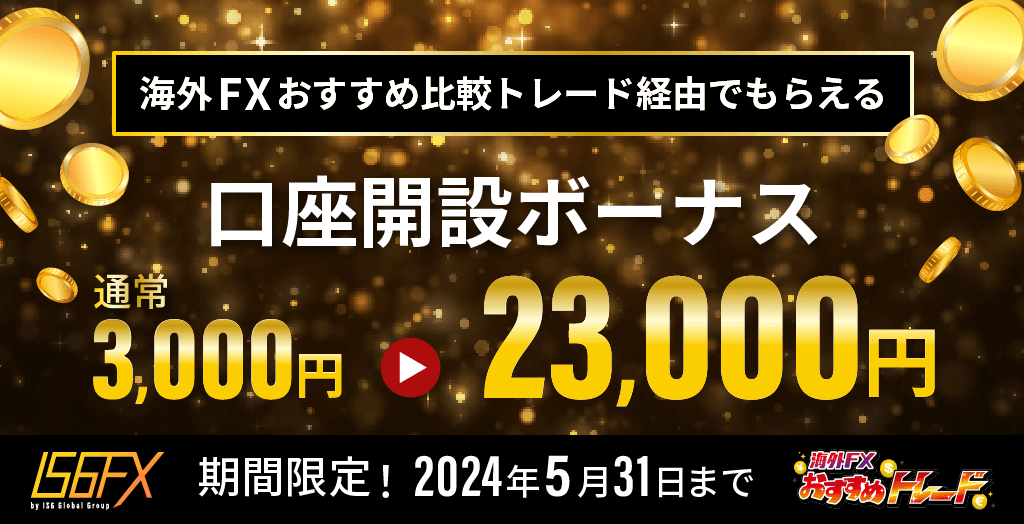
日本語完全対応&口座開設ボーナス23,000円(通常3,000円+口座開設ボーナス20,000円)分・最大100%入金ボーナスキャンペーン開催中なので、是非この機会にIS6FXの口座開設をしてみてくださいね!
\ 今なら23,000円が絶対にもらえる! /
公式サイト:https://is6.com/register
IS6FX(旧is6com)を利用している人の口コミ・評判
IS6FXの100%入金ボーナスで資金を50万円から100万円に増やせました!自己資金を2倍に増やせたので、かなり有利に取引を進められます。
独自アンケート
公式サイトが日本語なので分かりやすく、簡単に口座開設できました!また、分からないことがあった時に丁寧にサポートしてくれるので心強いです。
独自アンケート
実際にIS6FXを利用しているトレーダーからは、口座開設の手軽さやボーナスの豪華さに関する良い口コミが寄せられました。
現在、当サイト限定でIS6FXのお得なボーナスキャンペーンを開催しています。是非、IS6FXの口座開設ボーナス23,000円分&最大100%入金ボーナスを活用して、お得に取引を始めてくださいね!
【当サイト限定】IS6FXのボーナスキャンペーン
- 口座開設ボーナスキャンペーン23,000円【現在開催中】
当サイト経由でIS6FXに初めて口座開設した方を対象に、23,000円の口座開設ボーナスをプレゼントしています。(※通常は3,000円になります。)
新規口座開設するだけ3,000円がもらえますが、当サイト経由限定の口座開設ボーナス20,000円分を受け取るためには、口座開設フォームの「口座開設キャンペーンボーナス」欄で「キャンペーンボーナス(20,000)を受け取る」を忘れずに選択する必要があります! - 100%入金ボーナスキャンペーン【現在開催中】
今だけ期間限定で、100%初回入金ボーナスキャンペーンも開催中です!
キャンペーン期間中に「スタンダード口座」または「EX口座」へ入金した方を対象に、100%入金ボーナスを最大6万円までプレゼントしています。
つまり、6万円入金すると、入金ボーナス6万円がもらえるので、合計12万円からトレードを始めることができるのです。
さらに、2回目入金に対して50%(上限10万円)、3回目入金に対して30%(上限20万円)も付与されます!通常より多くの入金ボーナスを受け取る大チャンスなので、この機会を見逃さないでくださいね!
\ 今なら23,000円が絶対にもらえる! /
公式サイト:https://is6.com/register
海外FXおすすめ第5位 AXIORY【総合評価92点】
| 安全性 | 25点/25点 |
| ボーナス | 17点/25点 |
| スプレッド | 25点/25点 |
| 日本語サポート | 25点/25点 |
| 総合点数 | 92点/100点 |
\ スキャルピングに有利なFX業者! /
公式サイト:https://axiory.com/register
海外FX業者のおすすめ人気比較ランキング、第5位はAXIORYです!
AXIORYの特徴とメリット・デメリットを解説していきます。
AXIORYの特徴
- 2011年にベリーズで設立された海外FX業者
- 業界トップクラスの低スプレッド
AXIORYは低スプレッド&高約定力など、優秀なトレード環境を提供している海外FX業者です。そのため、特にスキャルピングトレーダーから絶大な人気を誇っています!
AXIORYのメリット・デメリット
| メリット | デメリット |
|---|---|
| 金融ライセンス取得済み 資産保証額の上限なし 日本人によるサポート・サービスが充実 ECNの取引コストが他業者と比べて一番安い 約定拒否・ストップ狩りがほとんどない | 証拠金残高が多い場合、最大レバレッジが下がる |
AXIORYは中~上級者向けのメリットが大きい海外FX業者です。取引コストが安い&約定力が高い&スプレッドの狭い「cTrader」を使えることを活かして、スキャルピング取引に挑戦すると利益を得やすくなるでしょう。
さらに、信託保全も取り入れているので、万が一AXIORYが倒産したとしても、AXIORYに預けたあなたのお金は全額返金されます。
このような信託保全を設けている業者はほとんどないので、安全性の高さから考えても口座を開設しておくことをおすすめします!
\ スキャルピングに有利なFX業者! /
公式サイト:https://axiory.com/register
AXIORYを利用している人の口コミ・評判
AXIORYは低スプレッドで取引コストが抑えられるので、スキャルピングとの相性が抜群です。最大レバレッジも国内FXより遥かに大きいですし、特に不満はありません。
独自アンケート
cTraderを使える業者は珍しいのですが、非常に高性能なので取引に役立っています。全体的にAXIORYは短期売買に向いており、スキャルピングで小さい利益を積み重ねやすい印象です。
独自アンケート
AXIORYの口コミ・評判からも分かるように、スキャルピング取引をメインにするのであれば、AXIORYで口座開設するのがおすすめですよ!
また、安全性が高いFX業者で口座開設したい方にもおすすめです!
\ スキャルピングに有利なFX業者! /
公式サイト:https://axiory.com/register
海外FXおすすめ第6位 Exness【総合評価90点】
| 安全性 | 25点/25点 |
| ボーナス | 15点/25点 |
| スプレッド | 25点/25点 |
| 日本語サポート | 25点/25点 |
| 総合点数 | 90点/100点 |
\ 業界最狭水準のスプレッド! /
公式サイト:https://exness.com/accounts
海外FX業者のおすすめ人気比較ランキング、第6位はExnessです!
Exnessの特徴とメリット・デメリットを解説していきます。
Exnessの特徴
- 世界最多の取引量!
- 最大レバレッジが無制限(実質21億倍)&ロスカット水準0%
- スプレッドが狭い
Exnessは2008年に設立し、2020年に日本人向けのサービスを開始した世界最大手の海外FX業者です。
おすすめランキング第1位のXM同様に、取得難易度が高いイギリスとキプロスの金融ライセンスを取得しているので、安心安全に取引できます!
Exnessのメリット・デメリット
| メリット | デメリット |
|---|---|
| 安心安全に取引できる 業界最狭水準のスプレッドで取引可能 スワップフリーの銘柄がある 最大レバレッジが無制限(実質21億倍) ロスカット水準0%で含み損に耐えやすい | ボーナスがない 細かいレバレッジ制限が設けられている |
Exnessの最大の魅力は最大レバレッジ無制限&低スプレッドで、中~上級者を中心に人気を集めています。
また、ロスカット水準0%だったり、スワップフリー銘柄を多く提供していたりするので、Exnessなら「数万円の証拠金を何百倍にも増やせた」というトレーダーが数多く存在します。
ボーナスがないものの、どんな取引も有利に進められる環境が整えられているため、現在利用している業者に不満を感じている方は是非乗り換えを検討してみてくださいね!
\ 業界最狭水準のスプレッド! /
公式サイト:https://exness.com/accounts
Exnessを利用している人の口コミ・評判
Exnessの最大レバレッジ無制限は最強すぎて、もう他社に乗り換えようと思えません。狭いスプレッドと組み合わせて、超ハイレバスキャルピングで効率良く稼いでいます。
独自アンケート
ロスカット水準0%の業者は珍しいですよね。含み損に耐えやすいし、ポジションを持ったままの状態でも出金できるところが気に入っています。
独自アンケート
Exnessは最大レバレッジ無制限という他社にはない圧倒的な強みを持っており、ハイレバを目当てに口座開設するトレーダーがたくさんします。
海外FXで少額から億トレーダーを目指したいのであれば、Exnessが最適ですよ!
\ 業界最狭水準のスプレッド! /
公式サイト:https://exness.com/accounts
海外FXおすすめ第7位 BigBoss【総合評価87点】
| 安全性 | 24点/25点 |
| ボーナス | 21点/25点 |
| スプレッド | 19点/25点 |
| 日本語サポート | 23点/25点 |
| 総合点数 | 87点/100点 |
\ 5,000円のボーナスがもれなく貰える! /
公式サイト:https://www.bigboss-financial.com/
海外FX業者のおすすめ人気比較ランキング、第7位はBigBossです!
BigBossの特徴とメリット・デメリットを解説していきます。
BigBossの特徴
- 格闘家のボブサップがアンバサダー
- ユーザーの声を即サービスに反映する適応力
- 独自の仮想通貨取引所を運営している
BigBossは2021年に設立した海外FX業者で、最近は最大レバレッジの引き上げ&MT5の導入など改良を頻繁に行っています。
特に仮想通貨取引に力を入れており、業界最狭レベルのスプレッドで取引することができますよ!
BigBossのメリット・デメリット
| メリット | デメリット |
|---|---|
| 最大レバレッジ2,222倍(※デラックス口座限定) トレーディングボーナスは常時開催 ハズレなし&最大5,000ドル当たるガチャが引ける BigBossロイヤルティプログラムで取引するほどお得に | 通貨ペアが比較的少ない 他の海外FX業者と比べ取引コストが高い |
BigBossの取引環境は優秀ですが、その中でも仮想通貨取引に特化していることから、仮想通貨専用の口座としてBigBossの口座を1つ持っていても損はないでしょう。
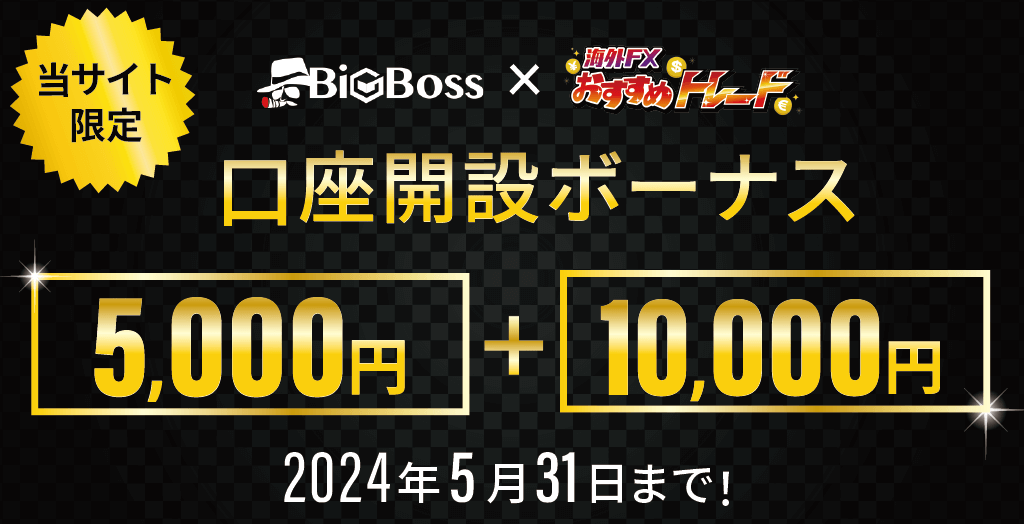
現在、BigBossで新規口座開設をすると5,000円分の口座開設ボーナスがもらえます!さらに、当サイト経由で口座開設した上で、30日以内に5ロットの取引を達成すると、10,000円分の条件達成ボーナスが付与されます。
2024年4月30日(火)までの期間限定なので、お得にBigBossで取引し始めるなら今がチャンスです!(スタンダード口座、プロスプレッド口座のみ)
さらに、今なら100%入金ボーナスキャンペーンも開催しています!累積入金額が700ドル(約10万円)までは100%、701ドル~5,700ドル(約83万円)までは30%、5,701ドル~63,200ドル(約923万円)までは20%ボーナスが適用されます。
入金ボーナスは、2024年2月になる前にBigBossで新規口座開設した方はデラックス口座のみ、2024年2月以降に新規口座開設した方はデラックス口座、スタンダード口座、プロスプレッド口座、MASSスタンダード口座が対象となります。
このほか、新しくBigBossロイヤルティプログラムも導入され、取引日数が増えるほどレバレッジ制限が緩和されるなど、ユーザーにとってより良いサービスが増えてきています。
優れた取引環境でお得に取引したい方は、是非今のうちにBigBossで口座開設することをおすすめします!
\ 5,000円のボーナスがもれなく貰える! /
公式サイト:https://www.bigboss-financial.com/
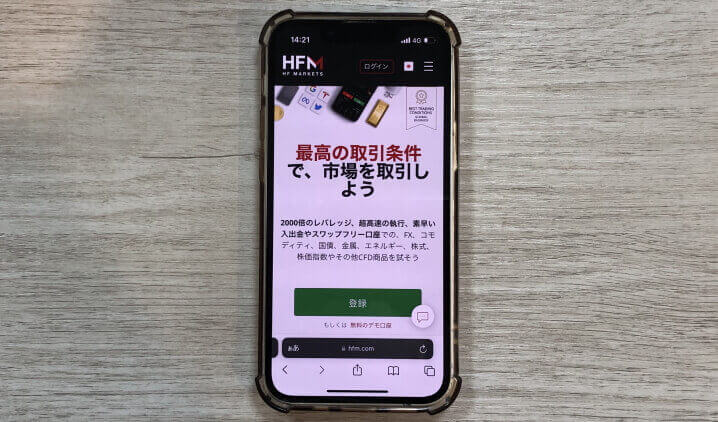
海外FXおすすめ第8位 HFM【総合評価84点】
| 安全性 | 25点/25点 |
| ボーナス | 21点/25点 |
| スプレッド | 19点/25点 |
| 日本語サポート | 19点/25点 |
| 総合点数 | 84点/100点 |
\ 20%キャンペーン開催中! /
公式サイト:https://www.hfm.com/sv/jp
海外FX業者のおすすめ人気比較ランキング、第8位はHFMです!
HFMの特徴とメリット・デメリットを解説していきます。
HFMの特徴
- 最大レバレッジ2,000倍
- 種類豊富なボーナスキャンペーン
- 口座タイプが多い
HFMは2010年からHotForex(ホットフォレックス)として運営を開始し、2022年にHFMという名前に変更しました。
取り扱い銘柄数は1,000種類以上&口座タイプも多いことから、幅広い取引に対応しています。
HFMのメリット・デメリット
| メリット | デメリット |
|---|---|
| 多くの金融ライセンスを取得済み 資産保証額は最大500万ユーロ 最大レバレッジは2,000倍 | マニュアルやサービスが日本語に対応していない |
HFMは複数の金融ライセンスを取得している上に、資金保証もあるので非常に安全性が高い海外FX業者だと言えます。
【現在開催中】HFMのボーナスキャンペーン
- 入金20%ボーナスキャンペーン(上限67万円)
入金額の20%にあたるボーナスを最大67万円まで獲得できる入金ボーナスを開催しています!
つまり、今口座開設して入金すると、入金ボーナスが最大67万円がもらえるため、入金額の2倍の証拠金で取引を始められます!
HFMではこういったボーナスも活用できるので、非常にお得に取引を開始できるでしょう。
\ 20%キャンペーン開催中! /
公式サイト:https://www.hfm.com/sv/jp
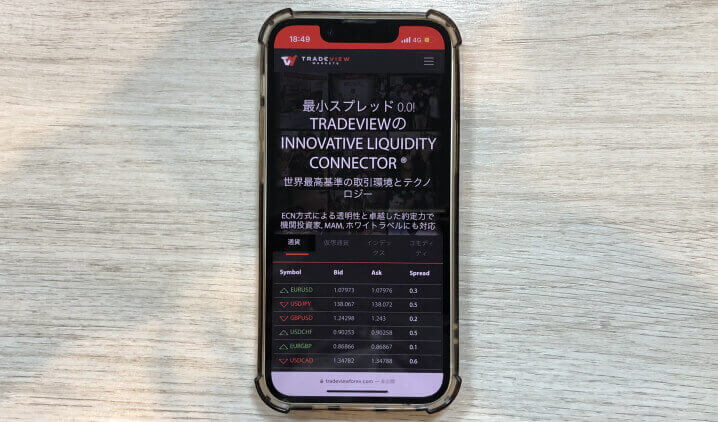
海外FXおすすめ第9位 Tradeview【総合評価79点】
| 安全性 | 24点/25点 |
| ボーナス | 9点/25点 |
| スプレッド | 25点/25点 |
| 日本語サポート | 21点/25点 |
| 総合点数 | 79点/100点 |
\ 取引環境抜群!スペック重視の中上級者におすすめ! /
公式サイト:https://tradeviewforex.com/
海外FX業者のおすすめ人気比較ランキング、第9位はTradeviewです!
Tradeviewの特徴とメリット・デメリットを解説していきます。
Tradeviewの特徴
- 業界トップクラスに取引コストが安い
- ボーナスキャンペーンはなし
- 禁止行為・取引制限などが少ない
Tradeviewは取引コストが非常に安く、中~上級者トレーダーにおすすめです。
特にスキャルピング取引をメインに行う方は、手元に残る利益が多くなりますよ!
Tradeviewのメリット・デメリット
| メリット | デメリット |
|---|---|
| 業界最狭のスプレッドを提供 通貨ペアが71種類と多い 取引ツールの種類が豊富 | ロスカット率100% ボーナスキャンペーンがない |
Tradeviewは通貨ペア・取引ツールの種類が多いので、理想のトレードスタイルを実現しやすいでしょう。
ただし、ロスカット率100%だったりボーナスキャンペーンがなかったりと、国内FX業者のようなデメリットもあるので注意してください。
\ 業界最狭水準の低スプレッド! /
公式サイト:https://tradeviewforex.com/
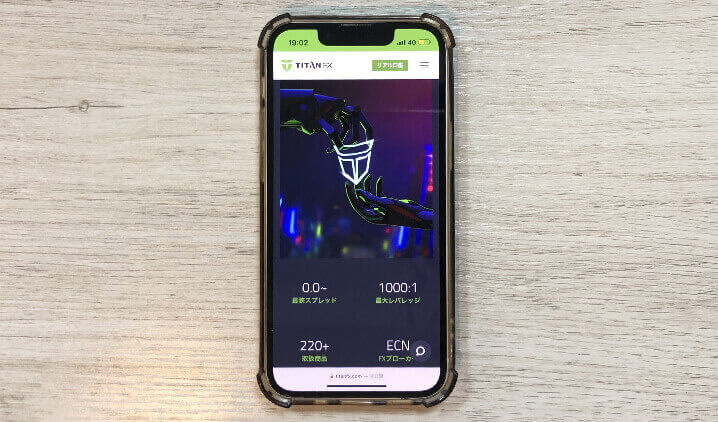
海外FXおすすめ第10位 TitanFX【総合評価78点】
| 安全性 | 21点/25点 |
| ボーナス | 12点/25点 |
| スプレッド | 24点/25点 |
| 日本語サポート | 21点/25点 |
| 総合点数 | 78点/100点 |
\ 低コストで取引したいなら使わないと損! /
公式サイト:https://titanfx.com/register
海外FX業者おすすめ人気比較ランキング、第10位はTitanFXです!
TitanFXの特徴とメリット・デメリットを解説していきます。
TitanFXの特徴
- 取引コストが業界最安値レベル
- 独自取引ツール「ウェブトレーダー」を提供している
- 入出金がスピーディー
TitanFXは2014年に設立した海外FX業者で、低スプレッド&高約定力が特徴です。
取引プラットフォームはMT4とMT5のほかに、独自取引ツールの「TitanFX ウェブトレーダー」があり、使いやすいとトレーダーから好評です。
TitanFXのメリット・デメリット
| メリット | デメリット |
|---|---|
| 約定力が高い 取引コストが安い 独自ツール「ウェブトレーダー」の操作がしやすい | 資金保証がない ボーナスキャンペーンがない |
TitanFXはボーナスキャンペーンを一切開催していませんが、スキャルピングや自動売買ができるのでトレード環境の整備に特化していると言えるでしょう。
また、TitanFXはサポートがしっかりしており、平日24時間いつでも&日本語対応してくれるので、初心者トレーダーでも安心して使えますよ!
\ 低コストで取引したいなら使わないと損! /
公式サイト:https://titanfx.com/register
海外FXのおすすめ業者を項目別で徹底比較

ここでは、大手海外FX業者を項目ごとに徹底比較していくので是非参考にしてください。
安心・安全に利用したい方におすすめの海外FX業者
海外FX業者の中には、詐欺まがいの悪徳業者・出金拒否等の入出金トラブルがある業者もあるため、下記を参考に安全性、信頼性の高い業者を選びましょう。
なお、国内FX業者の方が安全性や信頼性が高いといえますが、海外FX業者には国内FX業者にない取引上のメリットがたくさんあるので、FX取引をするのであれば海外FXがおすすめです!
- 金融ライセンスを取得している
- 分別管理、NDD方式など、透明性の高い運営である
- 4年以上の運営実績がある
- 追証なしのゼロカットシステムを採用している
安全性、信頼性の部分において、特におすすめの海外FX業者は、「XM」、「iFOREX」、「AXIORY」の3つの業者です。
XM (XMTrading)
XMは、日本人トレーダーからの評判が高く、多くの日本人が利用している海外FX業者です。また、イギリスの大手金融機関であるバークレイズ銀行で、徹底した分別管理を行っているので安全性もバッチリです。
過去、スイスフランショックが起こった時に多くの海外FX業者が破綻する中、XMは大幅なゼロカットシステムを実施して、トレーダーの資金を保護したことがありました。その歴史から見ても、信頼性の高い業者といえるでしょう。
なお、XMの金融ライセンスは、セーシェル金融庁(FSA)に登録されています。
\ 今なら13,000円が絶対にもらえる! /
公式サイト:https://xmtrading.com/register
iFOREX
iFOREXの運営歴は29年と他社と比べても、非常に長く運営しています。金融ライセンスの取得はもちろんのこと、徹底した分別管理が行われているので、数ある海外FX業者の中でも安全性・信頼性に長けた業者といえます。
なお、iFOREXの金融ライセンスは、イギリス領バージン諸島の金融サービス委員会(BVI FSC)に登録されています。
\ 125%入金キャンペーン開催中! /
公式サイト:https://iforex.com/register
AXIORY
AXIORYは、NDD方式を採用している業者なので透明性の高い運営であるといえます。
AXIORYは信託保全を採用しているので、万が一、倒産するようなことがあったとしても、トレーダーの資金は全て守られます。
AXIORYの金融ライセンスは、ベイリーズの国際金融サービス委員会(IFSC)に登録されているので、業界トップクラスの安全性が保障されますよ。
\ スキャルピングに有利なFX業者! /
公式サイト:https://axiory.com/register
海外FXボーナスでおすすめの業者
今回おすすめランキングに掲載した10つの業者が開催しているボーナスキャンペーンは以下の表を参照ください。
| FX業者名 | 口座開設ボーナス | 入金ボーナス | 公式サイト |
|---|---|---|---|
| XM | 13,000円 | 220% | 公式 |
| iFOREX | 15,000円 | 【破格のボーナス率】 125% | 公式 |
| FXGT | 15,000円 +条件達成で現金10,000円 | 100% (上限8万円) | 公式 |
| IS6FX | 23,000円 | 100% (上限6万円) | 公式 |
| AXIORY | 開催終了 | 公式 | |
| Exness | 開催終了 | 開催終了 | 公式 |
| BigBoss | 【当サイト限定】 5,000円 +条件達成で10,000円 | 100% | 公式 |
| HFM | 20% (上限67万円) | 公式 | |
| Tradeview | 公式 | ||
| TitanFX | 条件達成で5,000円 | 公式 |
ボーナスキャンペーンの比較表上では、特に「iFOREX」がおすすめです。また、現在はボーナスキャンペーンを開催していませんが、資金にある程度の余裕がある方はExnessも検討しましょう!
iFOREX
- 新規口座開設ボーナス 15,000円 (当サイト限定タイアップ)
- 初回入金ボーナス 125%+2回目入金ボーナス 50%
- 最大100%のキャッシュバック(ペンディングボーナス)
iFOREXのボーナスキャンペーンの中でも特に魅力的なのは、期間限定の初回入金125%キャンペーンです。
上限1,000ドル(日本円にすると約15万円)の入金額に対して100%のボーナスが付与され、1,000ドルを超えた入金額には25%のボーナスが付与されます。つまり、15万円を入金すると15万円のボーナスがもらえるので、30万円分のトレード資金で取引ができます。
初回限定のボーナスとなっているため、最低でも初回の入金額は上限額の1,000ドルがおすすめです。
\ 125%入金キャンペーン開催中! /
公式サイト:https://iforex.com/register
Exness
Exnessは現在ボーナスキャンペーンを開催していませんが、最大レバレッジ無制限&ロスカット水準0%に設定&スワップフリー&低スプレッドと最高の取引環境が整えられています。
自己資金に余裕があれば、ハイレバ取引で数十倍~数百倍にも資金を増やせるので、是非Exnessを使ってみてくださいね!
\ 業界最狭水準のスプレッド! /
公式サイト:https://exness.com/accounts
海外FX業者ごとのボーナスを詳しく知りたい方は、以下の記事を参考にしてください。
ハイレバレッジトレードをしたい方におすすめの海外FX業者
国内FX業者は最大でも25倍と制限がかけられている一方で、海外FX業者では1,000倍のレバレッジで取引することも可能です。
レバレッジが高いほど、少額の資金で大きな利益を出すことができますが、その分損失リスクも大きくなります。
ゼロカットシステムがあれば、もし口座残高がマイナスになっても追証がないので必ず確認するようにしましょう。
- 最大レバレッジで比較する
- 口座タイプによって変わる最大レバレッジを確認する
ハイレバ取引したい方には、「FXGT」、「Exness」がおすすめです。
FXGT
FXGTの最大レバレッジは1,000倍で、数ある海外FX業者の中でもトップクラスです。また、仮想通貨も最大レバレッジ1,000倍で取引できるところが非常に優れています。
どの口座タイプを選んでも最大レバレッジ1,000倍をかけられますが、海外FXおすすめ比較トレード編集部(編集長 髙岡和人:別名アグリ)のおすすめはスタンダード+口座です。
スタンダード+口座であれば、期間限定の口座開設ボーナス・入金ボーナスがもらえます!まだFXGTに口座を開設していない方は、この機会に口座開設を行っておくと良いでしょう。
\ 今なら15,000円が絶対にもらえる! /
公式サイト:https://fxgt.com/register
Exness
Exnessの最大レバレッジは無制限(実質21億倍)と圧倒的な高さで、ハイレバしたいトレーダーにとって最適の環境です。
さらに、低スプレッド&ロスカット水準0%&スワップフリーの銘柄を数多く取り揃えているので、どのようなトレードスタイルでも稼ぎやすいでしょう。
ただし、Exnessで最大レバレッジ無制限を適用するためには、以下の条件を満たす必要があります。
- リアル口座で最低10回以上の取引をする
→10回のエントリーと決済を行う。
※指値注文でのエントリーはカウント対象外
※複数口座を持っている場合は、合計取引数が10回を超えればOK - リアル口座で合計5ロットの取引をする
→1回で5ロットのポジションを持つか、複数回に分けて合計5ロットのポジションを持つ
※複数口座を持っている場合は、合計ロット数が5ロットを超えればOK
Exnessの無制限レバレッジの解放条件を1回でクリアしたい方は、「0.5ロット×10ポジション」でのエントリーをおすすめします!
\ 業界最狭水準のスプレッド! /
公式サイト:https://exness.com/accounts
海外FX業者ごとのレバレッジ比較を詳しく知りたい方は、以下の記事を参考にしてください。
スプレッドの狭い業者で取引したい方におすすめの海外FX業者
国内FX業者はスプレッドが原則として固定されていますが、海外FX業者は相場状況によってスプレッドが変動する「変動スプレッド」を採用しています。
そのため、海外FX業者のスプレッドを比較する際は、ある程度変動を見越して、平均的なスプレッドで比べることをおすすめします。
- 自分の通貨ペアのスプレッドを比べる
- 変動していることを加味して、平均スプレッドを確認する
- 値動きが大きく変動したとしても、広がりが緩やかである
スプレッドの狭さを重視するのであれば、「AXIORY」と「Tradeview」がおすすめです。
AXIORY
AXIORYのスプレッドは、定番となる米ドル円で平均0.9pipsとなっています。
他社と比べても米ドル円のスプレッドは特に狭く、取引コストを抑えたいトレーダーに人気です。
また、スプレッドが広がりやすいとされている、カナダドル円 / 豪ドル円 / スイスフラン円 / NZドル円 / ポンド円なども比較的広がりもなく、安定したスプレッドを提供しています。
\ スキャルピングに有利なFX業者! /
公式サイト:https://axiory.com/register
Tradeview
Tradeviewは、スプレッドの狭さを最大の強みとしている海外FX業者です。
実際に、MT4 X Leverage(STP口座)のスプレッドは1.8pipsなのに対し、SLC口座(ECN口座)のスプレッドは0.1pipsと非常に狭いです。
米ドル円 / ユーロ円 / 豪ドル円といった主要の通貨ペアはもちろんのこと、マイナーな通貨ペアにおいても最狭水準のスプレッドを誇るので、とにかく取引コストを抑えたいという方におすすめの海外FX業者です。
\ 業界最狭水準の低スプレッド! /
公式サイト:https://tradeviewforex.com/
海外FX業者のスプレッドを比較したい方は、以下の記事を参考にしてください。
スキャルピングにおすすめの海外FX業者
国内FX業者では禁止されているスキャルピングですが、海外FX業者の一部では認められていることがあります。
スキャルピングしたいトレーダーは、必ずスキャルピング取引を認めている業者かどうかを確認しましょう。
また、スキャルピングOKであることはもちろんのこと、他の条件と合わせて海外FX業者を選べば、より利益を出しやすくなりますよ!
- スプレッドの狭さを見る
- 約定力の高さを確認する
- スキャルピングがOKであるかどうかを確認する
スキャルピングに最適な業者は「TitanFX」と「AXIORY」の2つです。
AXIORY
AXIORYのスプレッドを見てみると、主要通貨ペア~マイナー通貨までスプレッドが狭く、値動きによる広がりもあまり見られません。
低スプレッドで安定しているだけではなく、AXIORYの約定率は99.99%であることからも、スキャルピングがしやすいと判断できます。
さらに、短期売買に特化しているプラットフォーム「cTrader」が利用できるというのも魅力の1つです。
\ スキャルピングに有利なFX業者! /
公式サイト:https://axiory.com/register
TitanFX
TitanFXは、スプレッドが狭いことで知られている海外FX業者です。変動スプレッドが採用されているものの、スプレッドの広がりは少なく、安定していてとても緩やかです。
また、約定のスピードが早いので、スピード勝負のスキャルピングには理想的な取引環境といえます。
最大レバレッジ1,000倍を合わせて活用すれば、少ない資金でも短期間で大きな利益を得ることも可能ですよ!
\ 低コストで取引したいなら使わないと損! /
公式サイト:https://titanfx.com/register
海外FXのスキャルピングに向いている口座を知りたい方は、以下の記事を参考にしてください。

海外FX業者と国内FX業者の違いを比較
これからFX取引を始める方の中には、「国内FX業者と海外FX業者は何が違うの?」「国内FX業者の方が安全じゃない?」と思う方もいるでしょう。
しかし、海外FX業者には国内FX業者にはない多くのメリットがあり、リスクを最小限に抑えて大きく稼げる魅力があります。
そこでここでは、国内と海外のFX業者の違いについて、比較していきます。
日本人トレーダーに海外FX業者が人気な理由
国内FX業者ではなく、海外FX業者を利用する日本人トレーダーには、以下の理由があります。
- 最大レバレッジが25倍以上
- ボーナスキャンペーンが豊富
- 追証不要のゼロカットシステムがある
- ロスカット水準が低い
- MT4 / MT5のツールのカスタマイズ性が高い
- NDD方式の業者が多く、透明性が高い
それぞれ解説していきます!
最大レバレッジが25倍よりも大きい
1つ目は「最大レバレッジが25倍よりも大きい」ことです。
国内FX業者のレバレッジは、2010年8月に50倍、2011年8月に25倍に制限されています。これ以前は海外FX業者のように大きなレバレッジをかけられましたが、規制が入ったことでハイレバ取引はできなくなりました。
一方、海外FX業者のレバレッジは非常に大きく、1,000倍のレバレッジを提供している業者もあります。高いレバレッジをかけることで効率よく利益を増やせるので、海外FX業者を選ぶ日本人トレーダーも多くいます。
ボーナスキャンペーンが豊富
2つ目は「ボーナスキャンペーンが豊富」なことです。
国内FX業者は、金融商品取引法によって特別な利益の提供を禁止されており、入金100%ボーナスキャンペーンなどを開催できません。
その反面、海外FX業者は、日本の金融商品取引法とは全く関係ないので、各業者独自のボーナスキャンペーンを行っています。
新規口座開設ボーナスや入金毎にもらえるボーナスなど、業者によってさまざまなものがあり、ボーナスを活用すれば有利に取引できる魅力があります。
追証不要のゼロカットシステムがある
3つ目は「追証不要のゼロカットシステムがある」ことです。
海外FX業者には、独自のゼロカットシステムが採用されていて、マイナス残高でも業者が補填してくれます。
国内FX業者は、金融商品取引法によって損失補填の禁止が定められているので、残高がマイナスになった場合は各トレーダー自身で補填しなければいけません。
ゼロカットシステムによって追証リスクがなくなるので、大胆な取引をしたい方や一攫千金を狙いたい方は海外FX業者の方が良いでしょう。
ロスカット水準が低いこと
4つ目は「ロスカット水準が低い」ことです。
ロスカット水準とは、強制的に決済される水準のことです。ロスカット水準が低い方が、ロスカット後に残る資金は少なくなりますが、長期的にポジションを保有できるというメリットがあります。
最大レバレッジの高さ&ロスカット水準の低さにより、海外FX業者のローリスク・ハイリターンが成立しています。
MT4 / MT5のツールのカスタマイズ性の高さ
5つ目は「MT4 / MT5のツールのカスタマイズ性の高さ」です。
国内FX業者の取引プラットフォームは、その業者の独自ツールが使われることが多いので、独自のインジケーターを入れたり、EAを動かしたりすることはできません。
一方、海外FX業者はMT4 / MT5が使われることが多く、インジケーターやEAを入れることができるので、自分好みにカスタマイズして利用できますよ!
NDD方式の業者が多く、透明性が高い
6つ目は「NDD方式の業者が多く、透明性が高い」ことです。
国内FX業者は、DD方式(OTC方式)の業者が一般的で、「トレーダーが利益を得ると証券会社が損をし、トレーダーが損をすると証券会社が利益を得る」という仕組みになっています。
そのため、一部の勝っているトレーダーに対して意図的にスプレッドを広くしたり、悪い方向に滑らせたりする行為や口座凍結も故意に行えます。
しかし、海外FX業者の多くはプロバイダーに注文を出すNDD方式を採用しているので、理不尽な負けを回避することができます!
海外FX業者のデメリットと注意点
国内FX業者と比較してメリットの大きい海外FX業者ですが、国内FX業者が勝る点もあります。
ここでは、海外FX業者のデメリットや注意点について詳しく紹介していきます。
- スプレッドが広い
- 信託保全のない業者もある
- 出金手数料が高かったり出金に時間を要したりする
- 税金が国内FX業者よりも高い
- スワップポイントが低い
それぞれ解説していきます。
スプレッドが広い
1つ目は「スプレッドが広い」ことです。
国内FXでは、ほとんどの業者が相対取引をしており、買いと売りを相殺することでトレーダーの注文を成立させています。
実際にプロバイダーに注文しない分、手数料を安く済ませることができるので、国内FX業者は比較的狭いスプレッドを提供しています。
一方、海外FXは実際にプロバイダーに注文を出している業者も多いため、手数料がかかり、スプレッドが広くなっていることが多いのです。
信託保全のない業者もある
2つ目は「信託保全のない業者もある」ことです。
国内FX業者は、万が一の倒産時にトレーダーの資金を補償する制度(信託保全)が義務付けられています。
海外FX業者では、この制度が義務付けられていないので、信託保全のない業者も多くあります。信託保全のある海外FX業者を選びたい場合は、公式サイトに記載されているかどうか確認するようにしましょう。
出金手数料が高かったり出金に時間を要したりする
3つ目は「出金手数料が高かったり出金に時間を要したりする」ことです。
海外FXで得た利益を日本円に出金する場合、「海外銀行送金」という扱いになるため手数料が高くなります。具体的には、中継手数料、受取手数料で5,000円ほど引かれるでしょう。
また、海外銀行送金を利用すると、日本の銀行に着金するまでに数日かかるので、急な出費には対応できません。
出金手数料・出金時間のデメリットを軽減するために「Bitwallet」などの送金サービスを利用して、手数料を安く抑えている海外FX業者も多くいるので、取引する海外FX業者の出金方法も確認しておくと安心ですよ。
税金が国内FX業者よりも高い
4つ目は「税金が国内FX業者よりも高い」ことです。
海外FXで得た利益は、国内FXと税金の区分が異なり、申告分離課税一律20.315%ではなく、累進課税の雑所得15%~55%となります。
つまり、海外FX業者を利用している場合、稼げば稼ぐほど税率的に不利となります。
解決策として、海外FXで多くの稼ぎを出しているトレーダーは、法人化して税金対策を行っているので是非参考にしてください。
スワップポイントが低いこと
5つ目は「スワップポイントが低い」ことです。
海外FX業者の方が、国内FX業者に比べてスワップポイントが低いことが多く、マイナススワップも多いです。
国内FX業者でプラススワップになっている通貨ペアでも、海外FX業者ではマイナススワップになっていることもあるため、取引の際は十分に確認してください。
海外FX業者についてよくある質問
最後に、海外FX業者に関するよくある質問に答えたので参考にしてください。
海外FXでおすすめの業者を忖度なしでランキング付け!まとめ
海外FXでおすすめの業者をランキング形式で紹介してきましたが、いかがだったでしょうか?
安全性や取引条件、ボーナスなどのポイントを抑えれば、自分にぴったりの業者を見つけられるでしょう。
まずは、ランキングの中で気になった2~3つの業者で口座開設してみて、ボーナスを得ながら運用し、最終的に自分の使いやすいと思える業者を見つけていくのがおすすめです!
もし、まだどのFX業者にするか決めかねているのであれば、第1位として紹介したXMで新規口座開設してみてください。安全性、信頼性の高い業者なので、初心者トレーダーでも安心して利用できますよ!
\ 今なら13,000円が絶対にもらえる! /