

「海外FX業者のボーナスは何があるの?」「どこの業者が1番ボーナスを多くもらえるの?」と悩んでいる方は多いです。そこでこの記事では、FXトレード歴16年の海外FXおすすめ比較トレード編集部(編集長 髙岡和人:別名アグリ)が、人気海外FX業者のボーナスを忖度なしで完全比較して、ランキングにまとめてみました。
ボーナスプログラムの比較対象は、ヨーロッパやアフリカ、アメリカやEU(the US and the EU)など世界の海外FX業者で、セキュリティ(Security)や安全性(Safety)も評価基準に含め、紹介しています。
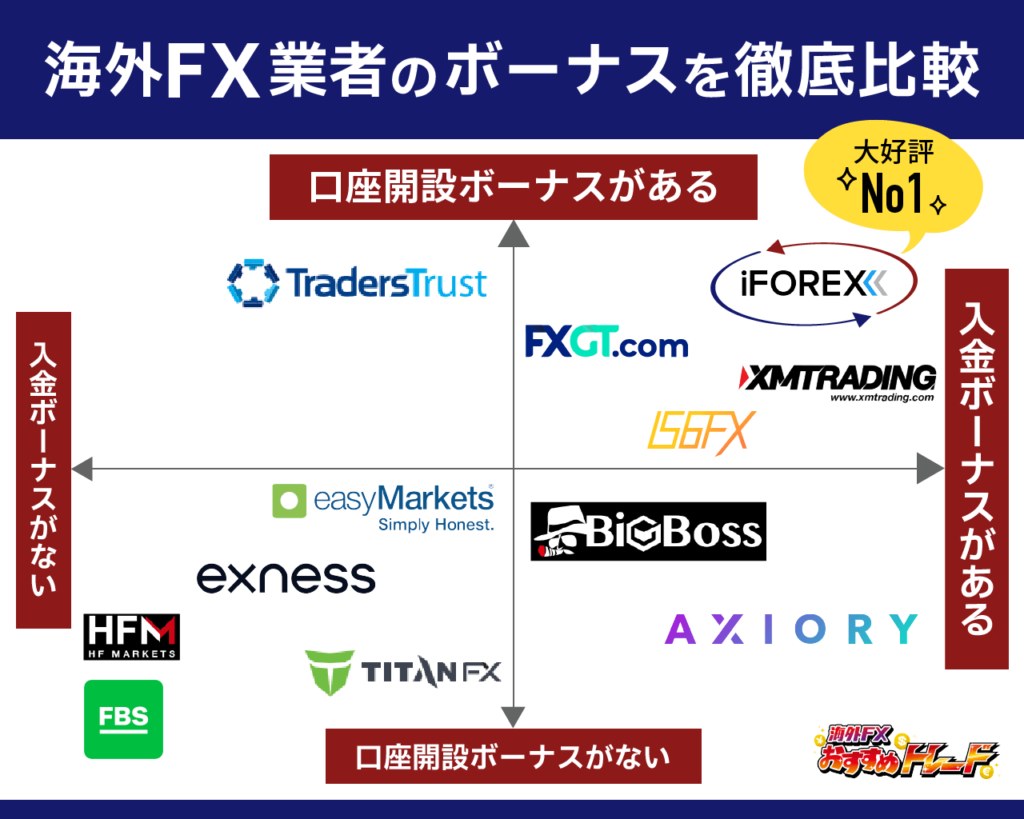
なお、ボーナス総合ランキングや、ボーナスの種類ごとのランキング結果を知りたい方は、以下の見出しをクリックすると、該当部分までスキップできます。
- 海外FXボーナス総合比較ランキング
→ 口座開設ボーナス&入金ボーナスの総合評価 - 口座開設ボーナス人気比較ランキング
→ 新規口座を開設するだけでボーナスがもらえる - 入金ボーナス人気比較ランキング
→ 入金額に応じてボーナスがもらえる
※各見出しをクリックすると、該当部分へ飛べます。
実際に、海外FXボーナス総合比較ランキングに選ばれた上位5社は下記の通りです。
| FX業者名 | 口座開設ボーナス | 入金ボーナス | 解説部分 | 公式サイト |
|---|---|---|---|---|
iFOREX | 15,000円 | 【破格のボーナス率】 125% | 解説 | 公式 |
XM | 【激レア】 13,000円 | 220% | 解説 | 公式 |
FXGT | 15,000円 | 100% (上限8万円) | 解説 | 公式 |
IS6FX | 23,000円 | 100% (上限6万円) | 解説 | 公式 |
AXIORY | 開催終了 | 解説 | 公式 |
さらに、海外FXボーナスの選び方や注意点についても詳しく解説していきます。この記事を読むことで、「どの業者のボーナスが今1番お得なのか」「効率よくボーナスをもらうためにはどうしたらいいのか」をバッチリ理解することができるでしょう。
海外FX業者のボーナスキャンペーンを全種類解説!

海外FX業者が打ち出すボーナスキャンペーンは、大きく分けて以下の3つです。
- 口座開設ボーナス
- 入金ボーナス
- その他のボーナス
これらのボーナスを全て同時に開催している業者もありますが、1つしか開催していない業者もあります。さらに、海外FX業者によって、もらえるボーナス金額や受け取り条件にも違いがあります。
それぞれのボーナスがどういったものなのかを見ていきましょう!
海外FX業者の新規口座開設ボーナス(未入金ボーナス)キャンペーン
海外FX業者が実施するボーナスキャンペーンの中でも、特にトレーダーから人気なのが「新規口座開設ボーナス」です。
新規口座開設ボーナスは口座を開設するとすぐにボーナスがもらえるので、未入金でも利用できる点が特徴です。
新規口座開設ボーナスはFX初心者がトレードの練習として活用することもできるため、初めてFX業者を利用する方は積極的に利用しましょう。
ちなみに、もらったボーナスそのものは現金として出金できませんが、ボーナス分を活用して得た利益は現金として出金することも可能です。
FX業者によっては口座を開設するだけで3,000円~30,000円がボーナスとしてもらえることもあるので、超お得ですよ!
海外FX業者の入金ボーナスキャンペーン
新規口座開設ボーナスの次に人気なのが「入金ボーナス」です。
口座に自己資金を入金すると、その金額に応じてボーナスが付与される仕組みになっており、入金ボーナス率はFX業者やそのキャンペーンによって異なります。
例えば、10万円を入金した場合、ボーナス率によって下記のボーナスが付与されます。
- 100%入金ボーナスの場合
10万円×100%=10万円のボーナスGET
→ 合計20万円からトレードできる - 50%入金ボーナスの場合
10万円×50%=5万円のボーナスGET
→ 合計15万円からトレードできる - 30%入金ボーナスの場合
100万円×30%=3万円
→ 合計13万円からトレードできる
この入金ボーナスを利用すれば、まとまった軍資金を用意できない方でも余裕を持った取引ができ、利益を出すチャンスも増えます。
ただし、多くの場合は初回入金時のボーナス率が良く、2回目以降はそのボーナス率が下がるので注意しましょう。
海外FX業者のその他のボーナスキャンペーン
新規口座開設ボーナスや入金ボーナスの他にも、FX業者によってさまざまなキャンペーンを開催しています。
例えば、以下のようなボーナスを提供している業者もあります。
- お友達紹介ボーナス
→ 友人に紹介するともらえるボーナス - リカバリーボーナス
→ ロスカット時に付与されるボーナス - トレードコンテスト
→ コンテストに入賞するともらえるボーナス - 商品ボーナス
→ 旅行券や商品などがもらえるボーナス
このように、多種多様なボーナスがありますので、各FX業者の公式サイトで一通り確認しておくと良いでしょう。
海外FXのボーナスにデメリットはある?

海外FX業者のボーナスを使うことで、自己資金の少ない初心者の方でも始めやすくなります。
しかし、海外の業者が運営していることに対して、不安を覚える方もいるでしょう。ましてや、30,000円ボーナスや自己資金を2倍に増やせるといわれると、「怪しい」と躊躇してしまう方が多いのも事実です。
ここからは、海外FX業者のボーナスキャンペーンを利用するメリットとデメリットについて詳しく解説していきます。
海外FXボーナスのメリットは大きく分けて5つ
- ノーリスクでもらえる
- 未入金でも利益を出すチャンスがある
- FXトレードが手軽に始められる
- デモ口座では体験できない「本番」の取引が行える
- 取引が有利に進められる
海外FXボーナスを利用する1番のメリットは、自分のお金を入金しなくとも利益を出せるチャンスがあることです。
はじめは誰しも、自分のお金を入金して投資することに抵抗があると思います。そんな時にボーナスキャンペーンを活用すれば、損することなく、気軽にFXトレードを始めることができます。
また、多くの海外FX業者では初回入金額に応じてもらえるボーナス率が100%となっているため、上手く活用すれば取引資金を倍に増やすことも可能です。
ボーナスを利用するリスクは全くないので、逆にボーナスをもらわないのは損でしょう。特に、FX初心者の方、自己資金ゼロで取引を試したい方は、ボーナスを活用して自己資金を大幅に増やしましょう!
海外FXボーナスのデメリットは大きく分けて2つ
- ボーナスは現金化することができない
- 出金してしまうとボーナスは消滅してしまう
海外FX業者でもらえるボーナスは証拠金として使えますが、現金化することはできません。
あくまでも取引に利用できるトレーディングチケットとなるので、それを活用して稼いだ金額を現金として出金しましょう。
また、海外FX業者にもよりますが、ボーナスは出金すると消滅してしまうこともあります。そのため、取引口座にボーナスがあるうちは出金を控え、ボーナスを活用して資金を増やしていくことをおすすめします。
海外FXボーナスにおける選び方

海外FXボーナスを活用すれば取引を有利に進められるので、なるべくボーナスが魅力的な業者を選んだ方が良いでしょう。
そこでここからは、海外FXボーナスの選び方について詳しく紹介していきます!
| 今の状況 | ボーナス | 選ぶ基準 |
|---|---|---|
| 自己資金あり | 入金ボーナス | 上限額 ボーナス率 |
| 自己資金なし | 口座開設ボーナス | もらえる金額 |
3万円以上の自己資金を用意できるという方やFX取引に慣れている方は、「入金ボーナス」が充実している業者を選びましょう。入金ボーナスには上限額がありますが、一般的に初回入金額が多ければ多いほど還元率が高くなります。
一方で、自己資金が少ない方、なるべく入金せずに取引を行いたい方は、「新規口座開設ボーナス」が充実している業者を選びましょう。
新規口座開設ボーナスは期間限定で開催される場合もあるので、業者が豪華なボーナスを提供しているタイミングで口座を開設してみてくださいね。
このように、自分の軍資金状況に応じたベストな選択を行うことで、有利に取引を進められますよ!
海外FXボーナスを上手に使い取引に活かす方法

海外FX業者のボーナスは、トレード体験をするつもりで利用するのが一番です。
特に初心者~中級者くらいの方は、その業者でのFX取引に慣れることを重視しましょう。実際、最初のうちはチャートの見方や注文方法など覚えることがたくさんあるため、初心者がビギナーズラックで勝てるものでもありません。
海外FXのボーナスを活用すると、その部分を実践しながら勉強していけるので、結果的に取引が有利に進みます。
自己資金を使わずに得たお金ですので、「ボーナスは全部なくなっても大丈夫」と思っているくらいが精神的にも丁度良いですし、ハードルも下がります。
海外FXボーナスに関する7つの注意点

ボーナスの選び方と使い方を学んだ後は、ボーナスの注意点についても併せて確認しておきましょう。
ここからは、ボーナスを活用するための7つの注意点を紹介していきます。これからボーナスを活用して取引を進めていくためにも、しっかりと頭に入れておいてください。
海外FXボーナスと入金した金額は分けられない
取引口座にある資金を別の口座に移す際は、ボーナスも連動して移動する仕組みになっています。つまり、ボーナスと入金したお金はセットとなるので分けることはできません。
このルールについては、どの海外FX業者も同じような規定です。
例えば、口座にある自己資金の10%を別の口座に移動する場合、ボーナスの10%も一緒に移動します。口座を変える時に戸惑ってしまわないように、しっかりと覚えておいてください。
海外FXボーナスにクッション機能があるかどうかを確認する
クッション機能とは、自己資金ではないボーナス分を証拠金として使えるかどうかということです。クッション機能がついていないと証拠金として利用できないので、損失の際に相殺されず、強制ロスカットとなってしまいます。
クッション機能がついているかどうかは、その業者のボーナスによります。クッション機能のついているボーナス分は、証拠金として利用できるので、ロスカットにも対応できます。
この場合は、自己資金額とボーナスの合計額が証拠金として利用できます。
一方、クッション機能のついていないボーナスは、取引にしか利用できないので、証拠金は口座に入っている自己資金のみになります。証拠金としては活用できないので、ロスカットのリスクもあります。
最も注意したいのは、口座残高の見方です。口座残高には、自己資金にボーナスが足された合計額が表示されています。
それに気づかずに取引を進めてしまうと、ロスカット寸前まで行ってしまうこともあります。口座を開設する前に、そのボーナスがクッション機能に対応しているのかきちんと調べておきましょう。
海外FXボーナスは出金すると消滅する
ほとんどの海外FX業者のボーナスは、1円でも出金するとボーナスが全て消滅するように設定されています。また、一度消滅してしまったボーナスは元に戻せなくなるので注意が必要です。稀に出金額に応じて、一部のボーナスが消滅するという規定を設けている業者もありますが、どちらにせよ、ボーナスを失ってしまうのは非常にもったいないことです。
口座から出金するタイミングは必ずボーナスを使い切った後、もしくはボーナスが不要と判断できるまで待ってから行うようにしましょう。
ボーナスの出金は基本的にできない
海外FX業者の提供するボーナスとは、新規顧客獲得のため、また取引に利用してもらうためのものです。そのため、ボーナスをそのまま現金として出金することは、基本的にできません。
また、多くの海外FX業者で口座を開設し、ボーナスを得て出金するといった裏技は通用しません。これができてしまうと、ボーナスを付与するメリットがなくなってしまうので、当然といえば当然です。
しかし、ボーナスを活用して取引で得た利益に関しては、自分のお金として現金化することができます。上手く活用して、利益を生み出せるのが一番ですが、まずは取引に慣れることを優先にはじめましょう。
受け取り条件を確認する
ボーナスキャンペーンには、受け取りの条件が設定されています。主要な条件には、下記のようなものがあります。
- 期間中に口座開設、本人認証、入金を全て終える
- ボーナスの対象となるのは特定の口座のみ
- 入金ボーナスには上限がある
受け取り条件に関しては、業者によって大きく異なるので、しっかり受け取るためにも事前に把握しておく必要があります。割の良いキャンペーンに関しては、少々条件が難しく設定されていることもあります。
有効期限に注意する
ボーナスには、有効期限が設定されていることも多いです。業者によって、30日間、○日から○日までなど、期限はさまざまです。
例えば、有効期限が30日間の場合、口座開設から30日後にボーナスが消滅する仕組みです。一度消滅したボーナスは元に戻せないので、30日間の中で取引に活用し、ボーナスを使い切るのがおすすめです。
また、入金や取引から○日間という設定をしている業者もあります。ボーナスを無駄にしないためにも、有効期限を考慮して、口座を開設していくのが理想的です。
海外FXボーナスを悪用した両建ては禁止事項
同一口座内での両建ては可能ですが、それ以外の両建て取引は基本的に禁止事項です。ボーナスを悪用した両建ては悪質とみなされ、相応のペナルティが課せられることもあるため、注意が必要です。
両建てとは、同じ通貨ペアの買い・売り両方のポジションを同時に持つことです。別口座や別業者を使って両建てポジションを保有すると、利用規約違反にひっかかります。利益の没収や口座凍結、出金拒否といった事態になることもあるので、気をつけてください。
特に海外FX業者のボーナスは両建て取引に悪用されやすい性質なので、各業者、悪用されないように日頃から目を光らせています。
取引履歴に異変があるとすぐに摘発されるので、禁止行為は絶対に行わないようにしましょう。
また、初心者のうちは知らず知らずのうちに両建てポジションを保有してしまうこともあります。どうなったら違反になるのか、勉強しておくと良いでしょう。
海外FX ボーナス総合比較ランキング【TOP10】

ここからは、数ある海外FX業者がどんなボーナスキャンペーンを行っているか、ボーナスの魅力度でランキング形式にしました。
| FX業者名 | 口座開設ボーナス | 入金ボーナス | 解説部分 | 公式サイト |
|---|---|---|---|---|
| iFOREX | 15,000円 | 【破格のボーナス率】 125% | 解説 | 公式 |
| XM | 【期間限定】 13,000円 | 220% | 解説 | 公式 |
| FXGT | 15,000円 +条件達成で現金10,000円 | 100% (上限8万円) | 解説 | 公式 |
| IS6FX | 23,000円 | 100% (上限6万円) | 解説 | 公式 |
| AXIORY | 開催終了 | 解説 | 公式 | |
BigBoss | 【当サイト経由限定】 5,000円 +条件達成で10,000円 | 100% | 解説 | 公式 |
TradersTrust | 100% | 解説 | 公式 | |
HFM | 20% (上限67万円) | 解説 | 公式 | |
FBS | 100% (クッション機能なし) | 解説 | 公式 | |
Exness | 開催終了 | 解説 | 公式 |
それでは、各ボーナスをそれぞれ順番に解説していきます。
海外FX ボーナスのおすすめ 第1位 iFOREX
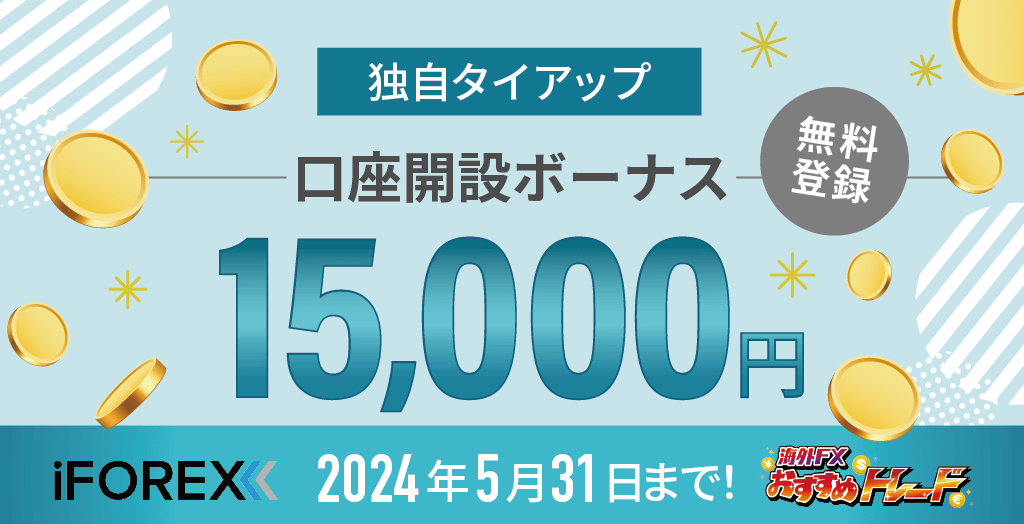
| 総合評価 | 98点 / 100点 |
| 口座開設ボーナス | 100ドル(約15,000円) |
| 入金ボーナス | 125%入金ボーナス |
| お友達紹介ボーナス | 友達を紹介すると最大500ドル獲得 |
| 日本語サポート | ペラペラな日本語で完璧に対応 |
【当サイト限定】iFOREXのボーナスキャンペーン
- 口座開設ボーナスキャンペーン15,000円(激レア)
当サイト経由でiFOREXに新規登録した方を対象に、口座開設ボーナス100ドル(約15,000円)をプレゼントしています!(※通常、iFOREXでは口座開設ボーナスを実施していないので、当サイト以外でお申し込みをした場合ボーナスは受け取れません。) - 125%初回入金ボーナスキャンペーン
1,000ドル(約15万円)までの初回入金額に対して100%入金ボーナス、1,000ドル(約15万円)を超える入金額に対しても25%のボーナスがもらえるキャンペーンを開催中です!
つまり、15万円入金した場合、入金ボーナス15万円がそのままもらえるため、トレード資金を合計30万円にすることができるのです。
初回入金ボーナスは最初の一度きりしかもらえない超プレミアムボーナスです。それを逃さないためにも、初回に1,000ドル以上入金することをおすすめします!
\ 【総合No.1】125%入金キャンペーン開催中! /
公式サイト:https://iforex.com/register
なお、iFOREXへの入金は、日本円よりも米ドルがおすすめです。
1,000ドルを日本円に換算した時の額は、その時の為替レートに応じて異なるので、入金額をできるだけ少なくして多くのボーナスを獲得するためには、ドルで入金するのがベストです。入金の際は通貨を選べるので、「USD」を選択して、数量に「1000」と入力して入金しましょう。
このように、iFOREXでは口座開設ボーナス15,000円がもらえるだけでなく、初回入金するだけで資金を2倍以上に増やすことができます。まだ口座をお持ちでない方は、是非この機会に口座開設してみてはいかがでしょうか。
\ 【総合No.1】125%入金キャンペーン開催中! /
公式サイト:https://iforex.com/register
海外FX ボーナス 第2位 XM
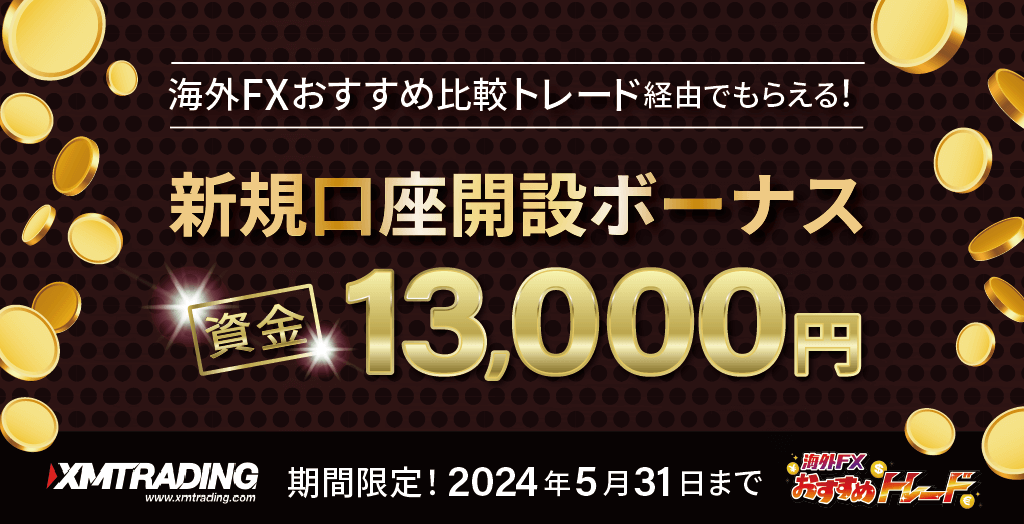
| 総合評価 | 97点 / 100点 |
| 口座開設ボーナス | 13,000円 |
| 入金ボーナス | 220%入金ボーナス(上限約165万円) ※2024年4月限定 |
| ロイヤルティプログラム | 取引に応じてポイントが貯まる |
| 日本語サポート | 日本人スタッフが対応 |
海外FX ボーナス 第2位に選ばれたのは「XM」です。
XMは2009年からサービスを開始しており、実績&安全性&信頼性が最も高い海外FX業者です!現在では、世界190ヶ国で500万人以上のトレーダーから愛用されています。
そんなXMでは2024年4月30日までの期間限定で口座開設ボーナス13,000円&220%入金ボーナスキャンペーンを開催しています!さらに、取引するたびにポイントが貯まるロイヤルティプログラムも開催中です。
【2024年4月限定】XMのボーナスキャンペーン
- 口座開設ボーナスキャンペーン13,000円
新規口座開設&本人確認をすませることで、13,000円の口座開設ボーナスがもらえます。 - 100%+100%+20%入金ボーナスキャンペーン
【対象口座】スタンダード口座、マイクロ口座
入金額の100%にあたるボーナスを最大500ドル(約7万5000円相当)まで受け取れます!また、2024年4月30日までの期間限定で、追加入金の500ドルに対しても100%入金ボーナスが適用されます。それ以降の入金に対しては、20%分の入金ボーナスが反映されます。
つまり、15万円を入金すると15万円がそのままもらえるので、トレード資金を入金額の2倍にあたる合計30万円にすることができるのです!
入金ボーナスをたくさん受け取ってお得に取引したい方は、今のうちに口座開設&入金することをおすすめします! - ロイヤルティプログラム
取引するたびにポイントがもらえるXM独自のキャンペーンも実施しています。貯まったポイントは、トレードにそのまま使ったり、現金に換金したりできるため、日本人トレーダーからも大人気です!他社にはないオリジナルのボーナスなので、取引すればするほどお得になります。
上記のようなお得なキャンペーンを開催しているのは今だけです!まずは、XMで最も人気がある「スタンダード口座」を開設して、13,000円の口座開設ボーナスでトレードしてみてください!
\ 今なら13,000円が絶対にもらえる! /
公式サイト:https://xmtrading.com/register
海外FX ボーナス 第3位 FXGT
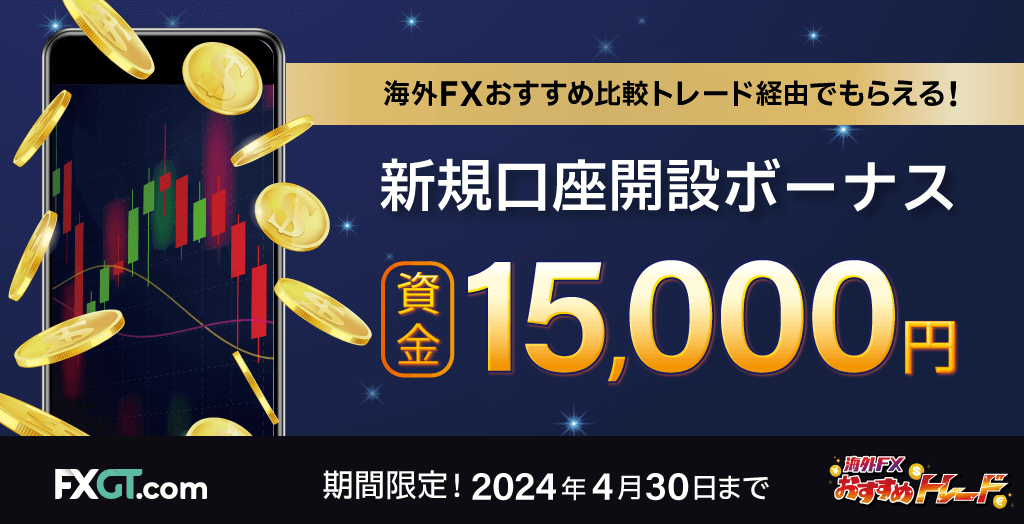
| 総合評価 | 95点 / 100点 |
| 口座開設ボーナス | 15,000円 +条件達成で現金10,000円 |
| 入金ボーナス | 初回入金:100%(上限8万円) 2回目入金:50%(上限15万円) 3回目以降:25%(上限120万円) |
| 日本語サポート | 日本語でしっかり対応 |
FXGTのボーナスは、iFOREXやXMに負けず劣らずの豪華さです。
【2024年4月限定】FXGTのボーナスキャンペーン
- 15,000円がもらえる新規口座開設ボーナスキャンペーン
FXGTで「スタンダード+口座」「ミニ口座」「Crypto Max口座」のいずれかを新規で開設された方を対象に、15,000円のボーナスをプレゼントしています! - 100%初回入金ボーナスキャンペーン(上限8万円!)
入金額の100%にあたるボーナスが上限8万円まで獲得できる入金キャンペーンも開催中です!
FXGTは初回の資金移動で100%の入金ボーナスがもらえます。
例えば、8万円を資金移動した場合、100%にあたるボーナス8万円がもらえるため、トレード資金を合計16万円にすることができるのです。 - 50%2回目入金ボーナスキャンペーン(上限15万円!)
FXGTは今だけ特別に、2回目の入金額の50%にあたるボーナスが上限15万円まで獲得できる入金キャンペーンも開催中です!
受け取れるのは一回だけなので、30万円を入金して、上限額の15万円分のボーナスを受け取ることをおすすめします! - 25%入金ボーナスキャンペーン(上限120万円になるまで何回入金してもOK!)
3回目以降の入金に対しては、25%入金ボーナスが最大120万円までプレゼントされます。
また、120万円のボーナスを受け取り切った場合、ボーナス額はゼロにリセットされます!
25%入金ボーナスキャンペーンには最低入金額が設定されていないので、誰でもお得に利用できますよ! - 【当サイト限定】条件達成で現金10,000円をキャッシュバック!
2024年4月27日までに当サイト経由でFXGTの新規口座を開設し、取引口座に8万円以上を入金後、2GTロット(=20万ドル相当)の取引を行うと、特別に現金10,000円がキャッシュバックされます!(ただし、5分以内にポジションを決済しても本キャンペーンの対象にはなりません。)
本キャンペーンと上記の100%初回入金ボーナスキャンペーンと組み合わせることで、8万円の入金に対し、8万円の100%入金ボーナス+現金1万円のキャッシュバックが受け取れることになり、大変お得です!
FXGTは、上記のようなボーナス以外にも様々な魅力があります。「仮想通貨取引ができる」「ゴールドもレバレッジ1,000倍で取引可能」など、他にはないFX業者として注目されています。
まずは、口座開設ボーナス15,000円&入金100%ボーナスを上限MAXで受け取り、ボーナスを活用して取引を開始してみてはいかがでしょうか。
\ 今なら15,000円が絶対にもらえる! /
公式サイト:https://fxgt.com/register
海外FX ボーナス 第4位 IS6FX
| 総合評価 | 94点 / 100点 |
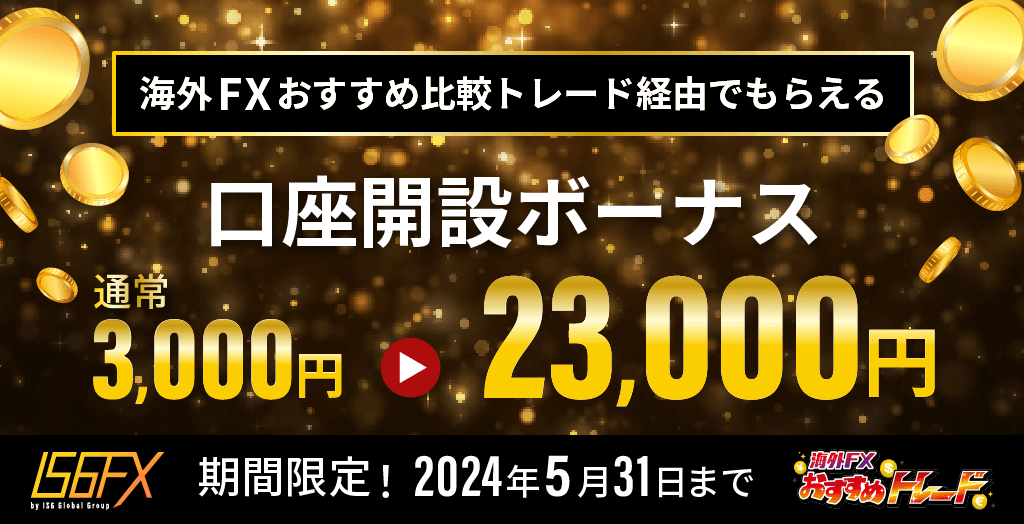
| 口座開設ボーナス | 【当サイト限定】 23,000円 (通常3,000円+当サイト限定の20,000円) |
| 入金ボーナス | 100%入金ボーナス |
| お友達紹介ボーナス | 最大5,000円プレゼント |
| 日本語サポート | 日本語対応OK |
【当サイト限定】IS6FXのボーナスキャンペーン
- 口座開設ボーナスキャンペーン23,000円【現在開催中】
当サイト経由でIS6FXに初めて口座開設した方を対象に、23,000円の口座開設ボーナスをプレゼントしています。(※通常は3,000円になります。)
新規口座開設するだけ3,000円がもらえますが、当サイト経由限定の口座開設ボーナス20,000円分を受け取るためには、口座開設フォームの「口座開設キャンペーンボーナス」欄で「キャンペーンボーナス(20,000)を受け取る」を忘れずに選択する必要があります! - 100%入金ボーナスキャンペーン【現在開催中】
今だけ期間限定で、100%初回入金ボーナスキャンペーンも開催中です!
キャンペーン期間中に「スタンダード口座」または「EX口座」へ入金した方を対象に、100%入金ボーナスを最大6万円までプレゼントしています。
つまり、6万円入金すると、入金ボーナス6万円がもらえるので、合計12万円からトレードを始めることができるのです。
さらに、2回目入金に対して50%(上限10万円)、3回目入金に対して30%(上限20万円)も付与されます!通常より多くの入金ボーナスを受け取る大チャンスなので、この機会を見逃さないでくださいね!
\ 今なら23,000円が絶対にもらえる! /
公式サイト:https://is6.com/register
海外FX ボーナス 第5位 AXIORY
| 総合評価 | 88点 / 100点 |
| 口座開設ボーナス | なし |
| 入金ボーナス | 100%入金ボーナス |
| 日本語サポート | 日本語でしっかり対応 |
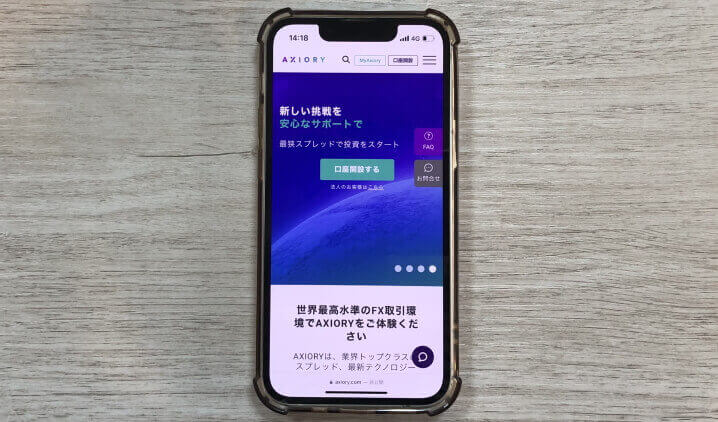
AXIORYは取引環境が業界No.1といっても過言ではありません。特に、スプレッドの狭さや約定力の高さをウリにしていて、非常に高スペックです。
さらに、信託保全も取り入れているので、万が一AXIORYが倒産したとしても、AXIORYに預けたあなたのお金は全額返金されます。そのため、海外FX業者にお金を預けるのが不安だと感じている方でも、AXIORYなら安心して預けることができるでしょう。
AXIORYのような信託保全を設けている業者はほとんどないので、安全性の高さから考えても口座を開設しておくことをおすすめします!
\ スキャルピングに有利なFX業者! /
公式サイト:https://axiory.com/register
海外FX ボーナス 第6位 BigBoss
| 総合評価 | 90点 / 100点 |
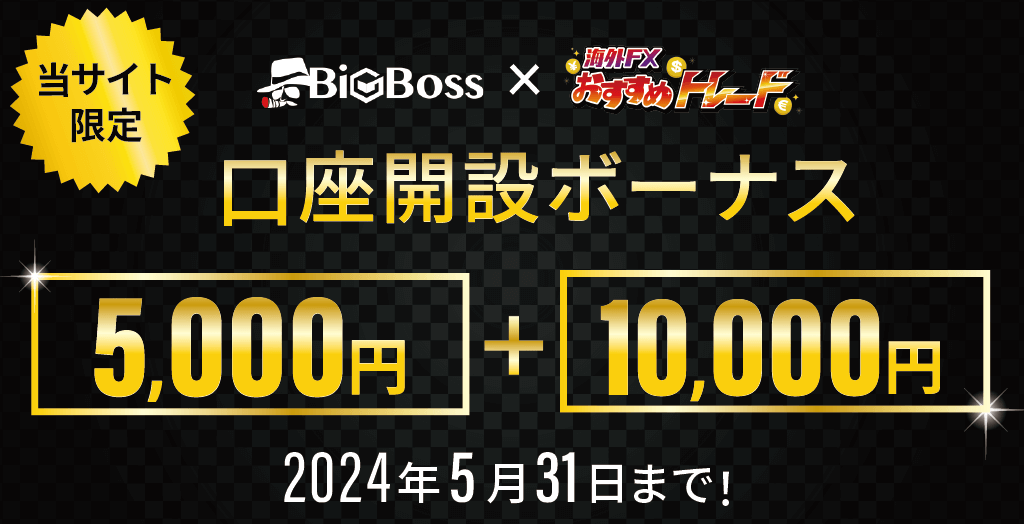
| 口座開設ボーナス | 【当サイト経由限定】 5,000円 +条件達成で10,000円 |
| 入金ボーナス | 100%入金ボーナス |
| 日本語サポート | 日本語でしっかり対応 |
BigBossのスタンダード口座・プロスプレッド口座を新規口座開設&本人確認書類を提出すると、5,000円分の口座開設ボーナスがもらえます!
さらに、当サイト経由で口座開設&30日以内に5ロットの取引を達成すると、追加ボーナスとして10,000円が付与されます。(2024年4月30日23時59分までの期間限定)
また、今なら100%入金ボーナスキャンペーンも開催しています!今回の入金ボーナスキャンペーンは、3段階制になっています。
| 累積入金額 | ボーナス付与率 | ボーナス付与額 |
|---|---|---|
| 0ドル~700ドル | 100% | 700ドル |
| 701ドル~5,700ドル | 30% | 1,500ドル |
| 5,701ドル~63,200ドル | 20% | 11,500ドル |
つまり、700ドル(約10万円)入金すれば、700ドルのボーナスを受け取れるため、合計1,400ドル(約20万円)から取引をスタートできます!このような機会はめったにないので、今のうちにBigBossで口座開設して入金をしておきましょう!
なお、入金ボーナスは、2024年2月になる前にBigBossで新規口座開設した方はデラックス口座のみ、2024年2月以降に新規口座開設した方はデラックス口座、スタンダード口座、プロスプレッド口座、MASSスタンダード口座が対象となります。
その他にも、BigBossではBigBossロイヤルティプログラム(BLP)を導入したので、取引した合計日数が多いほど、レバレッジ制限の緩和などの特典を受けられます。
より良い取引環境でお得に取引したい方は、今のうちにBigBossで口座開設してくださいね!
\ 5,000円のボーナスがもれなく貰える! /
公式サイト:https://www.bigboss-financial.com/
海外FX ボーナス 第7位 TradersTrust
| 総合評価 | 86点 / 100点 |
| 口座開設ボーナス | 開催終了 |
| 入金ボーナス | 入金100%ボーナス |
| 日本語対応 | 日本語対応OK |
TradersTrustは現在、口座開設ボーナスを開催していません。
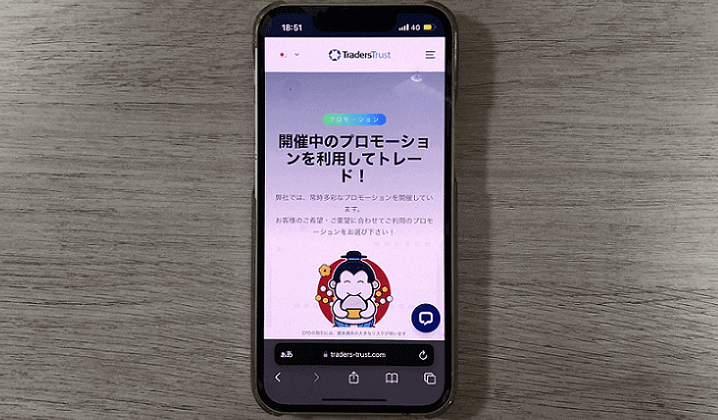
しかし、2024年4月30日までの期間限定で最大1000万円を上限とする100%ボーナスを受け取れます。本キャンペーンで受け取ったボーナスは、以下の手順を踏むことで出金可能な残高へと変換できます。
- 入金または既存残高を利用し、取引口座に最低5万円資金移動する
- ボーナス申請書を提出して、TradersTrust側からの承認完了を待つ
- 100%ボーナスが付与される(最大1000万円)
- 取引要件を満たすと出金可能な残高へと変更可能
※取引要件:ボーナス500円につき1ロットを取引する
他社の入金ボーナスと比べても受け取れる上限額が遥かに高いだけでなく、取引要件を満たせば出金可能になるので、今のうちに入金しておくことをおすすめします!
また、取引面では業界トップクラスともいえるスプレッドの狭さがウリです。日本語に対応しているマネージャーが週5日、24時間常駐しているので、サポート面も申し分ありません。
\ 最大3,000倍でハイレバ取引! /
公式サイト:https://traders-trust.com/ja/
海外FX ボーナス 第8位 HFM
| 総合評価 | 83点 / 100点 |
| 口座開設ボーナス | 開催終了 |
| 入金ボーナス | 入金20%ボーナス(上限67万円) |
| 日本語対応 | 日本語対応OK |
HFMは60個以上の賞を獲得していて、世界的にもかなり信頼度の高い業者です。
平日24時間いつでも日本語サポートが利用できるので、日本人でも安心してトレードをすることが可能です。最大レバレッジは2,000倍なので、上手くボーナスを活用して高額取引を行いたい上級者にも向いています。
そんなHFMの大変お得なキャンペーンとなっていますので、まだ口座をお持ちでない方は、取引を有利に進められるこのチャンスを是非活用してみてください。
【現在開催中】HFMのボーナスキャンペーン
- 入金20%ボーナスキャンペーン(上限67万円)
入金額の20%にあたるボーナスを最大67万円まで獲得できる入金ボーナスを開催しています!
つまり、今口座開設して入金すると、入金ボーナスが最大67万円がもらえるため、入金額の2倍の証拠金で取引を始められます!
HFMではこういったボーナスも活用できるので、非常にお得に取引を開始できるでしょう。
\ 20%キャンペーン開催中! /
公式サイト:https://www.hfm.com/sv/jp
海外FX ボーナス 第9位 FBS
| 総合評価 | 76点 / 100点 |
| 口座開設ボーナス | 【開催終了】 |
| 入金ボーナス | 入金100%ボーナス |
| 日本語対応 | 日本語対応OK |
FBSの目玉は、入金ボーナス100%キャンペーンがあることです。つまり、自己資金の2倍の証拠金を使って取引を始められます。
また、最大レバレッジが3,000倍と高いのも魅力です。ボーナスと合わせて、高額の取引にも適しています。ただし、このボーナスが得られるのは、スタンダード口座とゼロスプレッド口座のみです。
スプレッドは狭く、取引コストがあまりかからないので、そういったところもFBSが優れているといえる点です。
\ 最大レバレッジ3,000倍! /
公式サイト:https://jpfbs.com/
海外FX ボーナスのおすすめ 第10位 Exness
| 総合評価 | 73点 / 100点 |
| 口座開設ボーナス | なし |
| 入金ボーナス | 開催終了 |
| 日本語サポート | 日本人スタッフが対応 |
Exnessは2024年現在、口座開設ボーナス・入金ボーナスキャンペーンともに開催していませんが、他社より圧倒的な環境で取引できます。
最大の魅力であるレバレッジ無制限(実質21億倍)に加え、ロスカット水準0%や低スプレッド、スワップフリー銘柄の取り扱いなど、どのトレード手法でも勝ちやすい優秀スペックです。
今後ボーナスキャンペーンが開催されると、さらに最強な海外FX業者になること間違いなしですよ!
\ 業界最狭水準のスプレッド! /
公式サイト:https://exness.com/accounts
海外FXの口座開設ボーナス(未入金ボーナス)における選び方

新規口座開設でもらえるボーナス金額は、3,000円 ~ 10,000円が相場となっています。しかし、年1回の特別なキャンペーンなど、20,000円以上のボーナスがもらえることもあります。ボーナスはもらえればもらえるほど嬉しいものですので、ボーナス金額の高さで業者選びをしても良いと思います。
なお、それぞれの業者で受け取り条件が若干異なるので注意しましょう。各業者の受け取り条件を見て、ハードルの低い業者を選び、かつ、入金ボーナスも豪華な業者が選べぶといいでしょう。
トレーダーによって取引スタイルが異なるため、取引条件の異なる海外FX業者の中から、一概におすすめの業者を提示するのは難しいです。まずは、ボーナス目的で2~3社の業者の口座を開設してしまうというのも1つの手です。
ボーナスの金額で比較する
口座開設ボーナスの金額は、業者によってピンキリです。下記の表を参考にしてみてください。
ただし、キャンペーンの内容変更に伴い、金額が変わることもありますので、随時公式サイトをチェックするのが手っ取り早いです。
海外FXの入金ボーナスにも強い業者を選ぶと◎
入金ボーナスは、入金額の○%が証拠金としてもらえるものです。上限額と照らし合わせて、業者を選びましょう。
「口座開設ボーナス」「入金ボーナス」を活用すれば、取引に利用する証拠金を増やすことができます。取引を有利に進めたい方は是非活用してください。
海外FXボーナスの受け取り条件で選ぶ
ほとんどの業者は、ボーナスを受け取る際に本人認証が必要です。決められた本人確認書類を提出するだけなので、とくに難しいことはありません。他にも細かいルールが設定されていることもあるので、受け取りのハードルが低い業者を選ぶことをおすすめします。
海外FXボーナスの対象口座で選ぶ
各ボーナスは対象となる口座が決められていることも多いです。間違えてボーナスがもらえない口座を開設してしまうと、もらえるはずのボーナスがもらえないこともありますので、十分に気をつけてください。
| FX業者名 | 対象口座 |
|---|---|
| iFOREX | エリート口座 |
| FXGT | スタンダード+口座 ミニ口座 Crypto Max口座 |
| XM | スタンダード口座 |
| IS6FX | スタンダード口座 |
| AXIORY | スタンダード口座 ナノ口座・テラ口座 マックス口座 |
海外FX業者の口座タイプは、いくつもの種類がありますが、大きく分けてスタンダードタイプとスプレッドの狭いタイプの2つに分けられます。スタンダード口座は、取引手数料が無料です。その代わりにスプレッドは広めです。一方、スプレッドの狭いタイプは、スプレッドが狭い分、取引手数料がかかります。
新規口座開設の対象となっているのは、スタンダード口座であることが多いです。スプレッドの狭い口座などは対象外となっているケースが多いので、気をつけてください。
海外FX 口座開設ボーナスが豪華な業者【TOP8】

ここからは、口座開設ボーナスに絞って海外FX業者を見ていきたいと思います。口座開設をするだけの未入金でどのくらいのボーナスがもらえるのか、以下の表にまとめました。
| FX業者名 | 口座開設ボーナス | 解説部分 | 公式サイト |
|---|---|---|---|
| XM | 【期間限定】 13,000円 | 解説 | 公式 |
| IS6FX | 当サイト限定 23,000円 | 解説 | 公式 |
| iFOREX | 当サイト限定 15,000円 | 解説 | 公式 |
| FXGT | 15,000円 +条件達成で現金10,000円 | 解説 | 公式 |
| TradersTrust | 開催終了 | 解説 | 公式 |
| BigBoss | 【期間限定】 5,000円 +条件達成で10,000円 | 解説 | 公式 |
| FBS | 開催終了 | 解説 | 公式 |
| HFM | 開催終了 | 解説 | 公式 |
口座開設ボーナスは、仮に自己資金ゼロ円だったとしても取引が始められるとっておきの方法です。数ある業者の口座開設ボーナスがどんなものなのか、詳しく見ていきましょう。
海外FX 口座開設ボーナス 第1位 XM
| 口座開設ボーナス | 13,000円 |
| ボーナスの獲得条件 | 新規口座開設+本人確認 |
| ボーナス対象の口座 | スタンダード口座・マイクロ口座 |
| ボーナスの有効期限 | 口座開設後30日間 |
| ボーナス自体の出金 | 不可 |
海外FX 口座開設ボーナス 第1位に輝いたのは「XM」です!
海外FX業者の中でも最大手のFX業者であり、世界190ヶ国で500万人以上のトレーダーから愛用されています。
そんなXMでは、新規口座開設と本人確認を済ませることで、13,000円の口座開設ボーナスをもらうことができます!
- 新規口座開設ボーナス13,000円
- 100%入金ボーナス(上限500ドル)
- 100%追加入金ボーナス(上限500ドル)
- 20%入金ボーナス(上限150万円分)
- ロイヤルティプログラム(取引をすればするほどボーナスがもらえる)
- お友達紹介ボーナス
XMでは、口座開設ボーナスの他にも上記のようなボーナスを受け取ることができます。
XMは2009年からサービスを開始している老舗の海外FX業者で、実績&安全性&信頼性が最も高いです!
まずはXMでボーナスがもらえる「スタンダード口座」を開設して、13,000円の口座開設ボーナスでトレードしてみてくださいね!
\ 今なら13,000円が絶対にもらえる! /
公式サイト:https://xmtrading.com/register
海外FX 口座開設ボーナス 第2位 IS6FX
| 口座開設ボーナス | 23,000円分 |
| ボーナスの獲得条件 | 新規口座開設+本人確認 |
| ボーナス対象の口座 | スタンダード口座 クリプト口座 |
| ボーナスの有効期限 | 口座開設後30日間 |
| ボーナスの出金 | 不可 |
海外FX 口座開設ボーナス 第2位は「IS6FX」です!
2020年にリニューアルオープンしたIS6FXは、豪華なボーナスキャンペーンを開催することで話題の海外FX業者です。
現在、IS6FXと当サイトは期間限定でタイアップキャンペーンを開催しています!
【当サイト限定】IS6FXのボーナスキャンペーン
- 口座開設ボーナスキャンペーン23,000円【現在開催中】
当サイト経由でIS6FXに初めて口座開設した方を対象に、23,000円の口座開設ボーナスをプレゼントしています。(※通常は3,000円になります。)
新規口座開設するだけ3,000円がもらえますが、当サイト経由限定の口座開設ボーナス20,000円分を受け取るためには、口座開設フォームの「口座開設キャンペーンボーナス」欄で「キャンペーンボーナス(20,000)を受け取る」を忘れずに選択する必要があります! - 100%入金ボーナスキャンペーン【現在開催中】
今だけ期間限定で、100%初回入金ボーナスキャンペーンも開催中です!
キャンペーン期間中に「スタンダード口座」または「EX口座」へ入金した方を対象に、100%入金ボーナスを最大6万円までプレゼントしています。
つまり、6万円入金すると、入金ボーナス6万円がもらえるので、合計12万円からトレードを始めることができるのです。
さらに、2回目入金に対して50%(上限10万円)、3回目入金に対して30%(上限20万円)も付与されます!通常より多くの入金ボーナスを受け取る大チャンスなので、この機会を見逃さないでくださいね!
\ 今なら23,000円が絶対にもらえる! /
公式サイト:https://is6.com/register
海外FX 口座開設ボーナス 第3位 iFOREX
iFOREXは、世界各国のプロトレーダーも愛用する大手の海外FX業者です。
iFOREXが選ばれる理由はいくつかありますが、特筆すべきは、なんといっても運営歴が長く、信頼性・安全性が高いところです。他にも、低スプレッドや約定力の高さ、レバレッジの高さなど、スペックの高い取引環境が備わっています。
そんなiFOREXの口座開設ボーナスは、100ドル(15,000円相当)です。ボーナス額だけ見ると多くはありませんが、取引環境が抜群のiFOREXでボーナスがタダでもらえることを考えると非常にお得といえます。
また、入金125%ボーナスキャンペーンも同時開催しているので、ボーナスをセットで活用してみてください。かなりに有利に取引を開始できるはずです。
\ 125%入金キャンペーン開催中! /
公式サイト:https://iforex.com/register
海外FX 口座開設ボーナス 第4位 FXGT
FXGTの口座開設ボーナスは15,000円ですが、3種類の口座タイプから選べます。通常、口座が指定されていることも多いのですが、FXGTの場合は、スタンダード+口座、ミニ口座、Crypto Max口座の3つが対象となっています。
利益の出金上限は他と比べてやさしめですが、ボーナスに有効期限が設定されていることは覚えておきましょう。ボーナス受け取り後は、1ヶ月以内に取引しないと全て消滅してしまうので、時間に余裕のある時に開設することをおすすめします。
\ 今なら15,000円が絶対にもらえる! /
公式サイト:https://fxgt.com/register
海外FX 口座開設ボーナス 第5位 TradersTrust
TradersTrustの口座開設ボーナスは20,000円ですが、2024年4月現在は開催終了しています。他の口座開設よりも少々条件が厳しくなっているので、まずは下記のルールを把握してから利用しましょう。
- 追加入金はできない
- ボーナス専用口座が対象
- ボーナスは引き出せない
- 最大レバレッジ100倍
- 最大取引数量0.1ロット
- 保有ポジション5つまで
各業者のボーナスのルールにはない、取引条件にも規定があります。ルールに書かれている内容をパッと把握できる方なら良いですが、FX取引初心者の方には、他の業者のキャンペーンをおすすめします。
出金条件は、キャンペーン開催中に新規決済価格差が10pipsを超える取引を10ロット以上行うことです。複雑な条件に加えて、利益の出金上限額が20,000円と定められているのもデメリットです。
\ 最大3,000倍でハイレバ取引! /
公式サイト:https://traders-trust.com/ja/
海外FX 口座開設ボーナス 第6位 BigBoss
BigBossで口座開設&本人確認書類を提出すると、5,000円の口座開設ボーナスをもらえます!
現在の口座開設ボーナスキャンペーンは2024年4月30日までの期間限定で、通常は提供していないキャンペーンなので非常にお得です!
ボーナスがもらえるのは、スタンダード口座とプロスプレッド口座のみです。他にも、プレミアム口座(VIP)、FOCREX口座、デラックス口座がありますが、これらは口座開設ボーナスの対象外となっているので気をつけてください。
他業者の口座開設同様、当サイト経由で口座を開設をして本人認証を済ませることで簡単に誰でもボーナスを受け取ることができますよ!条件達成ボーナスにも是非チャレンジしてくださいね!
\ 5,000円のボーナスがもれなく貰える! /
公式サイト:https://www.bigboss-financial.com/
海外FX 口座開設ボーナス 第7位 FBS
2024年現在、FBSの口座開設ボーナスキャンペーンは開催終了していますが、過去に開催された時は対象口座が「Trade 100 Bonus口座」のみでした。
- 「Trade 100 Bonus口座」を開設
- 個人情報を入力する
- 本人確認書類を済ませる
- MT4口座にボーナスが付与される
- 利益の出金上限額は100ドル(10,000円)
- 利用期間はたった6日間
- ドル口座、ユーロ口座のみ
- MT4は利用できない
- 最大取引量は0.01ロット
- レバレッジが100倍に制限
- 保有ポジションは最大5つまで
FBSを利用する上で1番注意したいのは、利用期間がたった6日に設定されていることです。7日目にはもうボーナスが消滅してしまうので、ボーナスを最大限活用しようとすると、非常に短期的な勝負となります。
日程に余裕を持つ必要もあり、使い切れないこともあると思うので、正直あまり美味しいキャンペーンとはいえません。
\ 最大レバレッジ3,000倍! /
公式サイト:https://jpfbs.com/
海外FX 口座開設ボーナス 第8位 HFM
HFMは2010年から運営し続けている海外FX業者です。
そんなHFMでは、2024年現在口座開設ボーナスキャンペーンを開催していません。
以前開催していた口座開設ボーナスは、2ロット以上&5往復以上&FXまたは貴金属取引を満たすことで、ボーナスで取引して生まれた利益分を出金できる仕組みだったので好評でした。
しかし、HFMはスプレッドが広く、取扱商品数が業界トップクラスなので、ボーナスがもらえなくても口座開設する価値が十分あります!
\ 20%キャンペーン開催中! /
公式サイト:https://www.hfm.com/sv/jp
海外FXの入金ボーナスにおける選び方

前述した通り、海外FXの入金ボーナスとは、口座へ入金する際にもらえるボーナスのことです。割合は20%~100%と非常に広く、業者とその時々のキャンペーン内容で変わります。初回入金の場合は、100%の入金ボーナスを付与している業者も多いので、是非活用してください。
ここからは、そんな入金ボーナスを実施しているFX業者の選び方について解説していきます。
海外FXボーナスはクッション機能の有無で選ぶ
クッション機能とは、自己資金ではないボーナス分を証拠金として使えるかどうかです。クッション機能がついていないと証拠金として利用できないので、損失の際に相殺されず、強制ロスカットとなってしまいます。
どうせ選ぶなら、証拠金として利用できるクッション機能ありの業者がベストです。入金ボーナスにクッション機能がついているか、きちんと確認した上で利用しましょう。
入金額に応じたボーナス率で選ぶ
当然、割合が高ければ高いほど、多くのボーナスが取引に有利になるので、この割合はとても重要です。ただし、ボーナス率が高くても上限額が低いとボーナスも少なくなってしまうので、下記の上限額と併せて検討材料としてください。
なお、このボーナス率は業者によって大きく異なるだけではなく、同じ業者でもキャンペーンによりその割合が変わることもあります。
上限金額で選ぶ
いくら100%~200%といった高いボーナス率でも、上限額が低いとそこまでのうまみがありません。自己資金に余裕のある方は特に、上限額が高く設定されている業者を選ぶのがおすすめです。
一見、100%と200%では、200%の入金ボーナスのほうがお得なように感じますが、上限額によって変わってきます。上記の表を頭に入れ、最もお得に利用できる方法を考えていきましょう。
海外FX 入金ボーナスが魅力的な業者【TOP10】

続いては、入金ボーナスが魅力的な海外FX業者を紹介していきたいと思います。入金ボーナスのパーセンテージについてまとめた表を作成しましたので、参照ください。
| FX業者名 | 入金ボーナス | 解説部分 | 公式サイト |
|---|---|---|---|
| iFOREX | 【破格のボーナス率】 125% | 解説 | 公式 |
| FXGT | 100% (上限額8万円) | 解説 | 公式 |
| XM | 220% | 解説 | 公式 |
| IS6FX | 100% (上限額6万円) | 解説 | 公式 |
| AXIORY | 開催終了 | 解説 | 公式 |
| BigBoss | 100% | 解説 | 公式 |
| Exness | 開催終了 | 解説 | 公式 |
| TradersTrust | 100% | 解説 | 公式 |
| HFM | 20% (上限額67万円) | 解説 | 公式 |
| FBS | 100% (クッション機能なし) | 解説 | 公式 |
入金ボーナスは、自己資金を入金してFX取引でこれから利益を出していこうと考える方に活用していただきたいキャンペーンです。入金の段階で、自己資金を2倍にできる場合などもあり、大きな利益を生み出すためにも活用しない手はありません。
海外FX 入金ボーナス 第1位 iFOREX
海外FX 入金ボーナス 第1位に輝いたのはiFOREXです!
iFOREXは、創業29年という業界No.1の運用歴を誇り、数々の受賞歴もある海外FX業者です。そんなiFOREXと当サイトは現在タイアップキャンペーンを開催しています!
【当サイト限定】iFOREXのボーナスキャンペーン
- 口座開設ボーナスキャンペーン15,000円(激レア)
当サイト経由でiFOREXに新規登録した方を対象に、口座開設ボーナス100ドル(約15,000円)をプレゼントしています!(※通常、iFOREXでは口座開設ボーナスを実施していないので、当サイト以外でお申し込みをした場合ボーナスは受け取れません。) - 125%初回入金ボーナスキャンペーン
1,000ドル(約15万円)までの初回入金額に対して100%入金ボーナス、1,000ドル(約15万円)を超える入金額に対しても25%のボーナスがもらえるキャンペーンを開催中です!
つまり、15万円入金した場合、入金ボーナス15万円がそのままもらえるため、トレード資金を合計30万円にすることができるのです。
初回入金ボーナスは最初の一度きりしかもらえない超プレミアムボーナスです。それを逃さないためにも、初回に1,000ドル以上入金することをおすすめします!
\ 【総合No.1】125%入金キャンペーン開催中! /
公式サイト:https://iforex.com/register
海外FX 入金ボーナス 第2位 FXGT
【2024年4月限定】FXGTのボーナスキャンペーン
- 15,000円がもらえる新規口座開設ボーナスキャンペーン
FXGTで「スタンダード+口座」「ミニ口座」「Crypto Max口座」のいずれかを新規で開設された方を対象に、15,000円のボーナスをプレゼントしています! - 100%初回入金ボーナスキャンペーン(上限8万円!)
入金額の100%にあたるボーナスが上限8万円まで獲得できる入金キャンペーンも開催中です!
FXGTは初回の資金移動で100%の入金ボーナスがもらえます。
例えば、8万円を資金移動した場合、100%にあたるボーナス8万円がもらえるため、トレード資金を合計16万円にすることができるのです。 - 50%2回目入金ボーナスキャンペーン(上限15万円!)
FXGTは今だけ特別に、2回目の入金額の50%にあたるボーナスが上限15万円まで獲得できる入金キャンペーンも開催中です!
受け取れるのは一回だけなので、30万円を入金して、上限額の15万円分のボーナスを受け取ることをおすすめします! - 25%入金ボーナスキャンペーン(上限120万円になるまで何回入金してもOK!)
3回目以降の入金に対しては、25%入金ボーナスが最大120万円までプレゼントされます。
また、120万円のボーナスを受け取り切った場合、ボーナス額はゼロにリセットされます!
25%入金ボーナスキャンペーンには最低入金額が設定されていないので、誰でもお得に利用できますよ! - 【当サイト限定】条件達成で現金10,000円をキャッシュバック!
2024年4月27日までに当サイト経由でFXGTの新規口座を開設し、取引口座に8万円以上を入金後、2GTロット(=20万ドル相当)の取引を行うと、特別に現金10,000円がキャッシュバックされます!(ただし、5分以内にポジションを決済しても本キャンペーンの対象にはなりません。)
本キャンペーンと上記の100%初回入金ボーナスキャンペーンと組み合わせることで、8万円の入金に対し、8万円の100%入金ボーナス+現金1万円のキャッシュバックが受け取れることになり、大変お得です!
つまり、今口座開設して8万円入金して取引すると、口座開設ボーナス15,000円&100%入金ボーナス8万円&キャッシュバック現金1万円が付与されるので、8万円+15,000円+8万円+現金1万円=18万5000円から取引を開始できます!
いつ開催終了となるか分からない、今だけの限定ボーナスとなっているので是非この機会にボーナスをGETしてみてはいかがでしょうか。
\ 今なら15,000円が絶対にもらえる! /
公式サイト:https://fxgt.com/register
海外FX 入金ボーナス 第3位 XM
2024年4月現在、XMでは220%入金ボーナスを開催しています。
入金額の100%にあたる金額を最大500ドル(約7万5000円)まで受け取れるだけでなく、追加入金の500ドルに対しても100%入金ボーナスが適用されます。それ以降の入金に対しては、20%分の入金ボーナスが反映されます。
つまり、15万円を入金すると15万円がそのままもらえるので、トレード資金を入金額の2倍にあたる合計30万円にすることができるのです!
さらに、この入金ボーナスは定期的にリセットされる仕組みになっています。リセット時期はXMのみぞ知るといったところですが、リセットがかかれば、また再び入金ボーナスをもらうことができます。
\ 今なら13,000円が絶対にもらえる! /
公式サイト:https://xmtrading.com/register
海外FX 入金ボーナス 第4位 IS6FX
現在、IS6FXと当サイトは期間限定でタイアップキャンペーンを開催しています!
【当サイト限定】IS6FXのボーナスキャンペーン
- 口座開設ボーナスキャンペーン23,000円【現在開催中】
当サイト経由でIS6FXに初めて口座開設した方を対象に、23,000円の口座開設ボーナスをプレゼントしています。(※通常は3,000円になります。)
新規口座開設するだけ3,000円がもらえますが、当サイト経由限定の口座開設ボーナス20,000円分を受け取るためには、口座開設フォームの「口座開設キャンペーンボーナス」欄で「キャンペーンボーナス(20,000)を受け取る」を忘れずに選択する必要があります! - 100%入金ボーナスキャンペーン【現在開催中】
今だけ期間限定で、100%初回入金ボーナスキャンペーンも開催中です!
キャンペーン期間中に「スタンダード口座」または「EX口座」へ入金した方を対象に、100%入金ボーナスを最大6万円までプレゼントしています。
つまり、6万円入金すると、入金ボーナス6万円がもらえるので、合計12万円からトレードを始めることができるのです。
さらに、2回目入金に対して50%(上限10万円)、3回目入金に対して30%(上限20万円)も付与されます!通常より多くの入金ボーナスを受け取る大チャンスなので、この機会を見逃さないでくださいね!
\ 今なら23,000円が絶対にもらえる! /
公式サイト:https://is6.com/register
海外FX 入金ボーナス 第5位 AXIORY
AXIORYの入金ボーナスキャンペーンは不定期開催となっています。
しかし、AXIORYの高約定力&低スプレッドな取引環境は他社と比較しても優れているので、「ボーナスよりも稼ぎやすい環境かどうかを重視したい」という方は是非使ってみてください!
\ スキャルピングに有利なFX業者! /
公式サイト:https://axiory.com/register
海外FX 入金ボーナス 第6位 BigBoss
2024年4月現在、BigBossは100%入金ボーナスキャンペーンを開催しています。
今回の入金ボーナスキャンペーンは、3段階制になっています。
| 累積入金額 | ボーナス付与率 | ボーナス付与額 |
|---|---|---|
| 0ドル~700ドル | 100% | 700ドル |
| 701ドル~5,700ドル | 30% | 1,500ドル |
| 5,701ドル~63,200ドル | 20% | 11,500ドル |
つまり、700ドル(約10万円)入金すれば、700ドルのボーナスを受け取れるため、合計1,400ドル(約20万円)から取引をスタートできます!このような機会はめったにないので、今のうちにBigBossで口座開設して入金をしておきましょう!
入金ボーナスは、2024年2月になる前にBigBossで新規口座開設した方はデラックス口座のみ、2024年2月以降に新規口座開設した方はデラックス口座、スタンダード口座、プロスプレッド口座、MASSスタンダード口座が対象となります。
BigBossがボーナスキャンペーンを開催することは大変珍しいので、まだ口座をお持ちでない方は今のうちに口座開設してみてはいかがでしょうか。2024年4月30日までの期間限定入金ボーナスですよ!
\ 5,000円のボーナスがもれなく貰える! /
公式サイト:https://www.bigboss-financial.com/
海外FX 入金ボーナス 第7位 Exness
現在、Exnessでは入金ボーナスキャンペーンが開催されていませんが、取引に最適な環境を整えているため、世界最大級の取引量を実現しています。
最大レバレッジ無制限(実質21億倍)を使えば、入金ボーナスで証拠金を増やさなくても、大きな取引ができます!
ロスカット水準0%や低スプレッド、スワップフリー銘柄も評判なので、圧倒的な取引条件を体験してみたい方はExnessを使ってみてくださいね!
\ 業界最狭水準のスプレッド! /
公式サイト:https://exness.com/accounts
海外FX 入金ボーナス 第8位 TradersTrust
TradersTrustは、2024年4月30日までの期間限定で最大1000万円を上限とする100%ボーナスを受け取れます。本キャンペーンで受け取ったボーナスは、以下の手順を踏むことで出金可能な残高へと変換できます。
- 入金または既存残高を利用し、取引口座に最低5万円資金移動する
- ボーナス申請書を提出して、TradersTrust側からの承認完了を待つ
- 100%ボーナスが付与される(最大1000万円)
- 取引要件を満たすと出金可能な残高へと変更可能
※取引要件:ボーナス500円につき1ロットを取引する
例えば、5万円を取引口座に資金移動した場合は100%にあたる5万円分のボーナスを受け取れますが、100ロット取引することでこれを出金可能な残高へと換えられます。
他社の入金ボーナスと比べても受け取れる上限額が遥かに高いだけでなく、取引要件を満たせば出金可能になるので、今のうちに入金しておくことをおすすめします!
\ 最大3,000倍でハイレバ取引! /
公式サイト:https://traders-trust.com/ja/
海外FX 入金ボーナス 第9位 HFM
- 上限67万円まで20%入金ボーナス
HFMの入金ボーナスでは、入金額の20%に当たるボーナスを最大67万円まで受け取ることができます。
つまり、今口座開設してHFMの口座に入金すると、入金ボーナスを最大67万円もらえるため、自己資金を大幅に増やすことができるのです。
少しでもお得に取引したいのであれば、HFMで口座開設してみてくださいね!
\ 20%キャンペーン開催中! /
公式サイト:https://www.hfm.com/sv/jp
海外FX 入金ボーナス 第10位 FBS
FBSの入金ボーナスは100%で、対象の口座タイプは、スタンダード口座、セント口座、マイクロ口座、ゼロスプレッド口座の4つです。
ECN口座、スタンダードMT5口座、セントMT5口座はボーナスの対象外となっているので、間違えないようにしましょう。
また、クッション機能がないボーナスなので、ボーナスだけで取引することはできません。証拠金を増やして取引したい方は、是非FBSのボーナスを活用してくださいね!
\ 最大レバレッジ3,000倍! /
公式サイト:https://jpfbs.com/
海外FXボーナスはスキャルピングに活用するのがおすすめ

ボーナス活用法としておすすめなのは、ハイレバレッジでスキャルピング取引をすることです。また、スキャルピング取引で得た利益は出金せず、取引資金に回して複利運用していきましょう。
例えば、自己資金10万円でFX取引をはじめるとします。100%入金ボーナスがある場合とそうでない場合を比べると、証拠金の額が2倍違うので、利益の出方も倍以上になることがあります。10万円の入金で100%ボーナスをもらい、20万円の証拠金で取引をはじめると、1日に10pipsほどの利益を得るだけで、1ヶ月に100万円以上の利益をあげることも難しくありません。
下記は、XMの口座開設ボーナス13,000円分を1,000倍のレバレッジで取引した例です。
- レバレッジ1倍 → 130通貨
- レバレッジ10倍 → 1,300通貨
- レバレッジ100倍 → 1.3万通貨
- レバレッジ1,000倍 → 13万通貨
1日に1回取引利益を出すことに成功すれば、13,000円を活用して13万円以上の利益も狙うことができますよ!
海外FX業者のボーナスに関するよくある質問

\ 今なら13,000円が絶対にもらえる! /
公式サイト:https://xmtrading.com/register
海外FXのボーナスキャンペーンまとめ

今回は海外FX業者の各ボーナスキャンペーンについて、詳しく解説させていただきました。各海外FX業者のボーナスを比較して、最もお得に利用できるのは「iFOREX」です。運営歴が長く、安心・安全で利用できるだけでなく、期間限定の豪華なボーナスキャンペーンが非常に魅力的です。
iFOREXのボーナスの種類は、
- 口座開設ボーナス15,000円
- 初回入金125%ボーナス
- 2回目入金50%ボーナス
- 最大100%のキャッシュバック(ペンディングボーナス)
と豊富に揃っています。
ここまでボーナスにフォーカスしてお話してきましたが、海外FX業者選びに最も重要なのは、口座開設後も長く安心して利用できるかどうかだと思っています。iFOREXは、豪華なボーナスに加え、低スプレッド、高約定力、信頼性等のメリットを兼ね揃えているので、総合的に見ても非常におすすめの海外FX業者です。
現在は特に激アツの入金100%+25%ボーナスキャンペーンを開催しているので、よりお得にiFOREXでの取引を開始できます。1,000ドル入金すれば、そのまま1,000ドルのボーナスがもらえるので、自己資金2倍となる2,000ドルで取引ができるのは相当魅力です。
初回入金ボーナスは、1人1回きりの特別なボーナスなので、是非開催期間中に口座を開設してみてはいかがでしょうか。
\ 【総合No.1】125%入金キャンペーン開催中! /